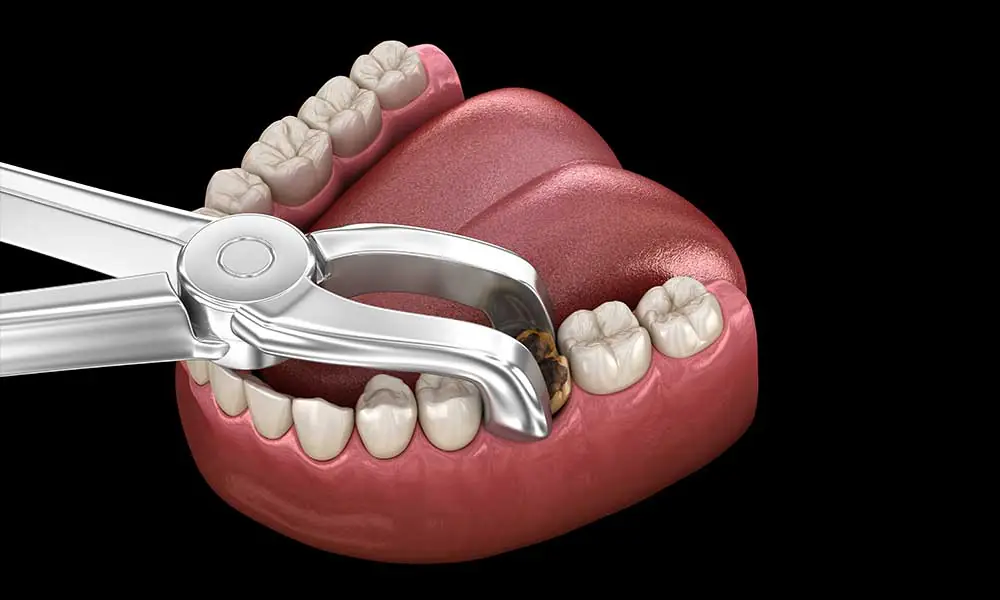

The first 48 hours after a tooth extraction are critical for proper healing. During this period, your mouth forms a blood clot at the extraction site, which protects the bone and nerves underneath. Eating the right foods helps support healing, reduce pain, and prevent complications like dry socket or infection.
Choosing the wrong foods, on the other hand, can disturb the clot, delay recovery, and increase discomfort. This guide explains exactly what to eat, what to avoid, and how to manage your diet during the initial healing phase.
Why Diet Matters After Tooth Extraction
After an extraction, your mouth is sensitive, swollen, and vulnerable. The goal is to minimize irritation while providing your body with nutrients that support tissue repair.
Soft, easy-to-eat foods reduce pressure on the surgical site, while nutrient-rich options help boost healing and immunity. Hydration also plays an important role in maintaining oral moisture and speeding recovery.
First 24 Hours: Focus on Liquids and Very Soft Foods
In the first day, your mouth needs maximum protection. Stick to liquids and foods that require little to no chewing.
Recommended Foods
Smooth soups like tomato, pumpkin, or vegetable broth
Blended dal or lentil soup for protein and energy
Yogurt or curd, which is soothing and easy to swallow
Smoothies made with fruits like banana or mango
Milkshakes without added seeds or chunks
Mashed fruits such as banana or chikoo
Plain ice cream in small quantities for comfort and cooling
Make sure all foods are at room temperature or slightly cool. Avoid anything hot, as heat can dissolve the blood clot.
Hydration Tips
Drink plenty of water throughout the day. You can also include coconut water or fresh juices without pulp. Avoid using straws, as the suction can dislodge the clot and lead to dry socket.
Second 24 Hours: Gradually Introduce Soft Solids
By the second day, you may feel slightly better and can begin to include soft solid foods that require minimal chewing.
Recommended Foods
Khichdi or soft rice with dal
Well-cooked upma or poha with minimal spices
Mashed potatoes or sweet potatoes
Soft paneer alternatives like tofu if suitable
Oatmeal or porridge
Scrambled eggs for non-vegetarians
Soft idli or soaked bread
Continue to chew on the opposite side of the extraction site to avoid pressure.
Nutrients That Support Faster Healing
Focusing on the right nutrients can make a noticeable difference in recovery.
Protein helps repair tissues and speeds healing. Sources include dal, yogurt, milk, and soft legumes
Vitamin C supports gum healing and reduces inflammation. Include fruits like oranges in juice form or mashed papaya
Zinc and iron help strengthen immunity and promote recovery
Calcium supports bone healing and can be obtained from dairy or fortified alternatives
Balanced nutrition during these 48 hours sets the foundation for faster healing in the coming days.
Foods to Strictly Avoid
Certain foods can interfere with healing or cause complications.
Crunchy foods like chips, nuts, or toast can irritate the wound
Spicy foods may cause burning and discomfort
Acidic foods like citrus fruits in raw form can irritate tissues
Sticky foods like caramel or chewing gum can disturb the clot
Hot beverages like tea or coffee can delay clot formation
Alcohol and carbonated drinks should be avoided as they can affect healing
Seeds and grains that can get lodged in the extraction site
Avoid smoking or tobacco completely, as it significantly increases the risk of dry socket and infection.
Tips for Eating Comfortably
Eat small portions and take your time while eating
Use a spoon instead of biting into foods
Keep your head slightly elevated while eating
Rinse gently with salt water after 24 hours to maintain cleanliness
Do not touch the extraction site with your tongue or fingers
Following these simple habits can help you avoid unnecessary complications.
Signs You Need to Adjust Your Diet
If you experience increased pain while eating, bleeding, or swelling, it may mean your food choices are too harsh for your current stage of healing.
In such cases, return to softer foods and consult your dentist if symptoms persist.
When to Resume Normal Diet
Most people can gradually return to their normal diet after 3 to 5 days, depending on healing progress. However, harder and crunchy foods should still be avoided for at least a week.
Always follow your dentist’s advice, as healing time can vary based on the type of extraction and your overall health.
Common Mistakes to Avoid
Eating too soon after the procedure without allowing clot formation
Using straws or spitting forcefully
Consuming very hot foods or drinks
Ignoring hydration
Switching to solid foods too quickly
Not maintaining oral hygiene
Avoiding these mistakes ensures smoother recovery and reduces the risk of complications.
Final Thoughts
The first 48 hours after tooth extraction play a crucial role in how well and how quickly you heal. Choosing the right foods can minimize discomfort, protect the extraction site, and support your body’s natural healing process.
Stick to liquids and very soft foods in the first 24 hours, then slowly introduce soft solids as your comfort improves. Focus on nutrition, hydration, and gentle eating habits.
With the right approach, you can recover comfortably and return to your normal routine without unnecessary pain or delays.