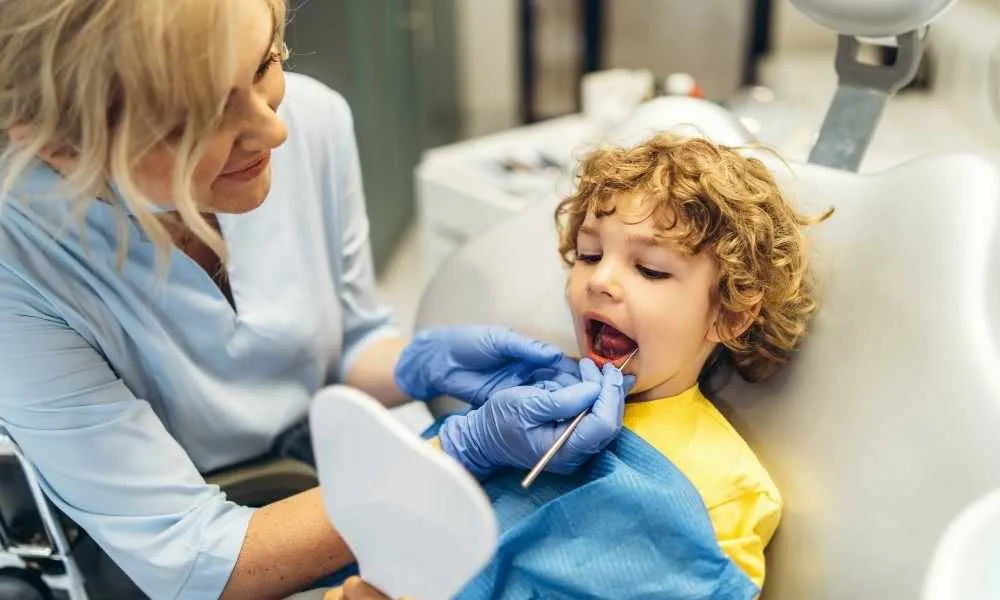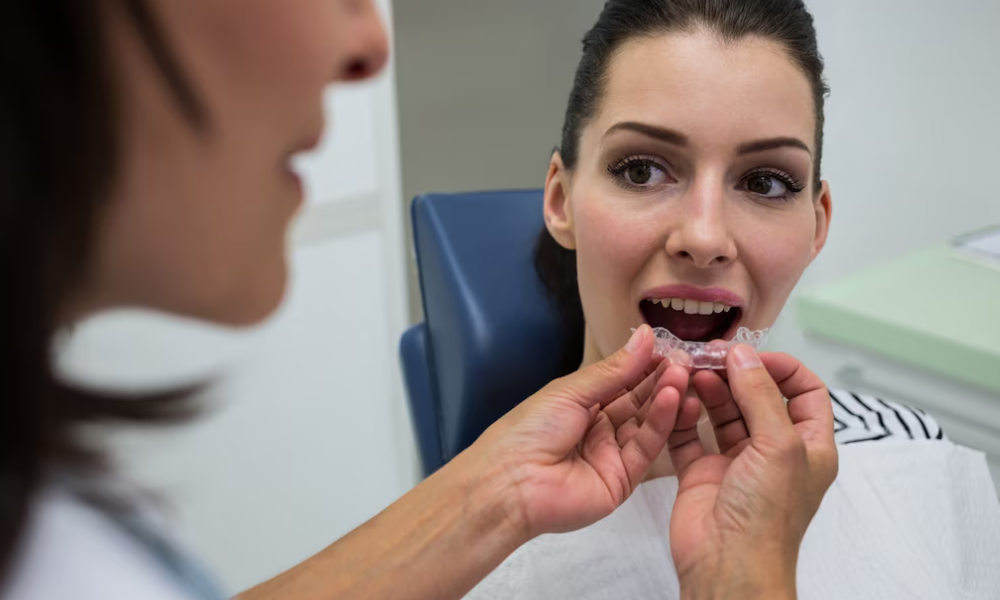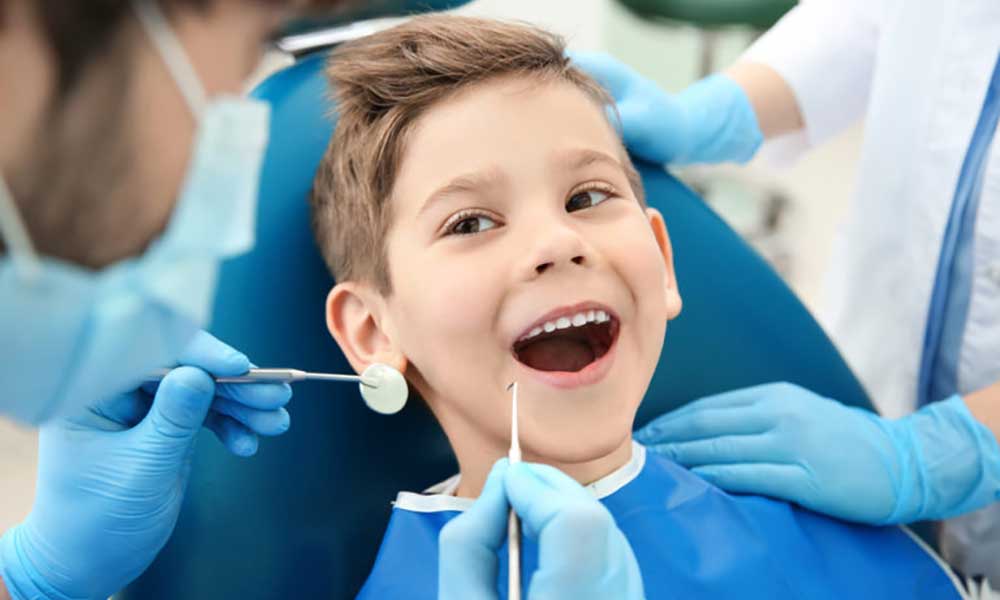
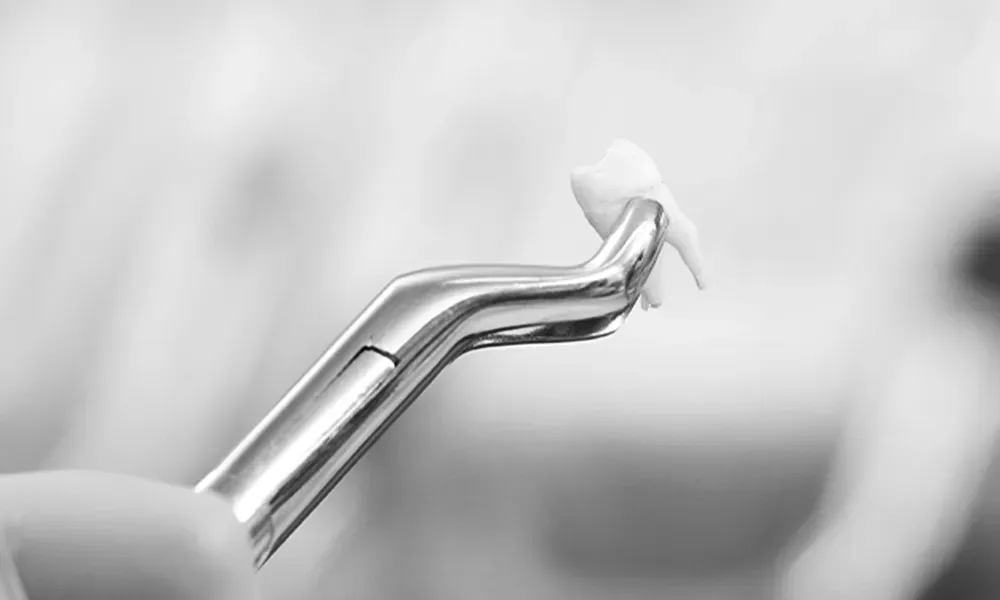

Tooth removal is a common dental procedure, and in most cases, healing progresses smoothly within a few days. However, like any surgical procedure, there is a risk of infection if bacteria enter the extraction site. Recognizing the warning signs early is essential to prevent complications and ensure proper recovery.
This guide explains the latest insights into post-extraction infections, the symptoms to watch for, causes, and when to seek immediate dental care.
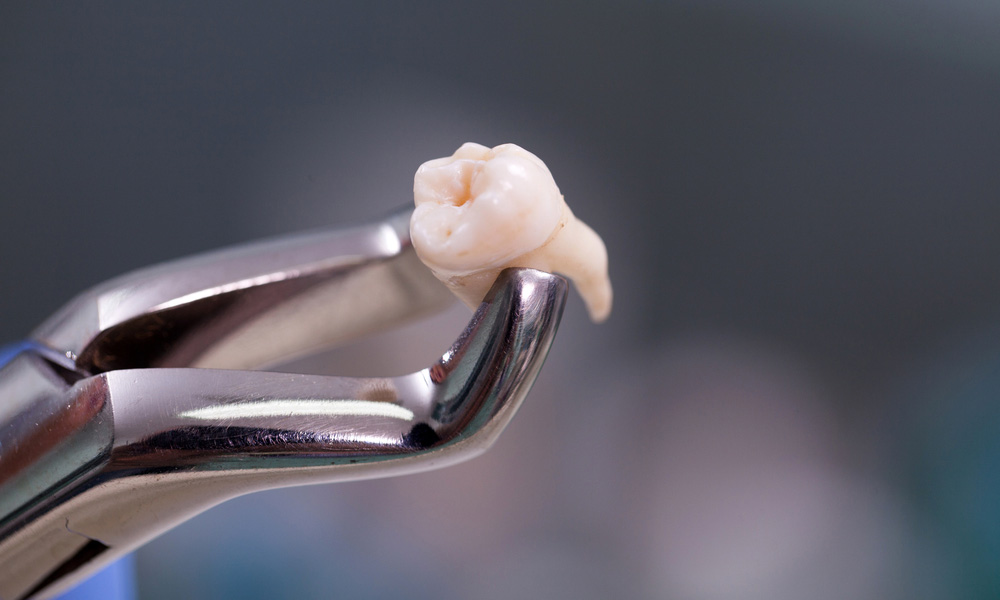
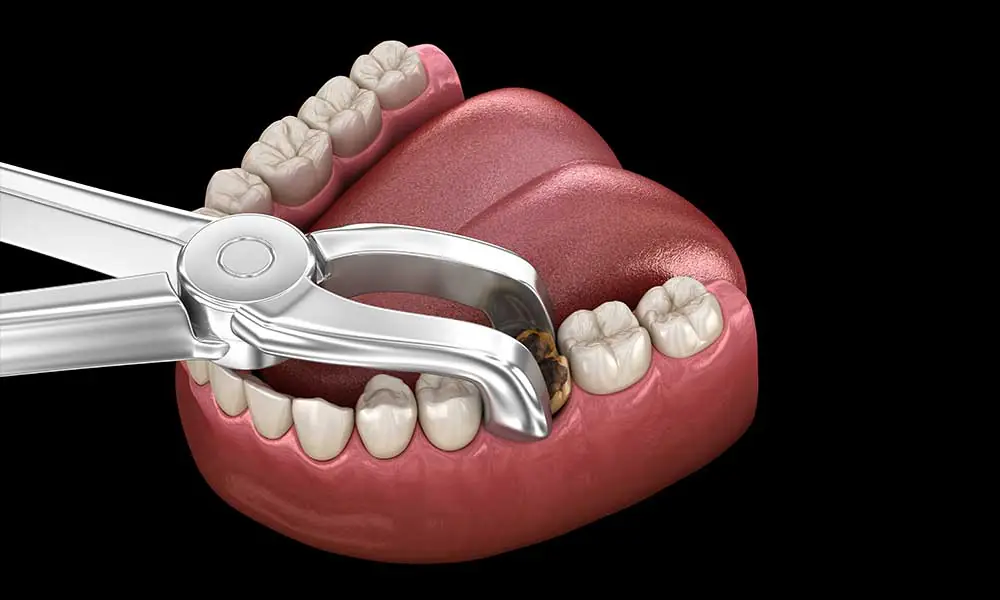
What Happens After Tooth Removal
After a tooth is removed, a blood clot forms in the socket. This clot is crucial because it protects the underlying bone and nerves while the tissue heals. Over time, new tissue grows and fills the area.
If the clot is disturbed or bacteria enter the wound, infection can develop. Poor oral hygiene, smoking, underlying health conditions, or improper aftercare can increase the risk.
Common Warning Signs of Infection
While mild pain and swelling are normal after extraction, certain symptoms indicate something more serious.
Persistent or Increasing Pain
Pain is expected for the first few days, but it should gradually improve. If the pain becomes worse instead of better, especially after 2 to 3 days, it could signal infection.
This pain may feel deep, throbbing, and may spread to the jaw, ear, or head.
Swelling That Worsens Over Time
Some swelling is normal, especially within the first 24 to 48 hours. However, if swelling continues to increase after this period or becomes severe, it may indicate infection.
Swelling may also feel firm and extend to the face or neck.

Pus or Discharge
The presence of pus at the extraction site is a clear sign of infection. You may notice a yellow or white discharge, often accompanied by a foul taste in your mouth.
This symptom requires immediate attention from a dentist.
Bad Breath or Unpleasant Taste
Persistent bad breath or a strong, unpleasant taste that does not go away even after rinsing can be a sign of bacterial buildup or infection.
This is often associated with pus formation or tissue breakdown.
Fever and General Illness
A fever is a systemic response to infection. If you develop a high temperature, chills, or feel unwell after the procedure, it may mean the infection is spreading.
This is a serious symptom that should not be ignored.
Difficulty Opening the Mouth
If you experience stiffness or difficulty opening your mouth, known as trismus, it may indicate inflammation or infection in the surrounding muscles and tissues.
This can make eating, speaking, and oral hygiene difficult.
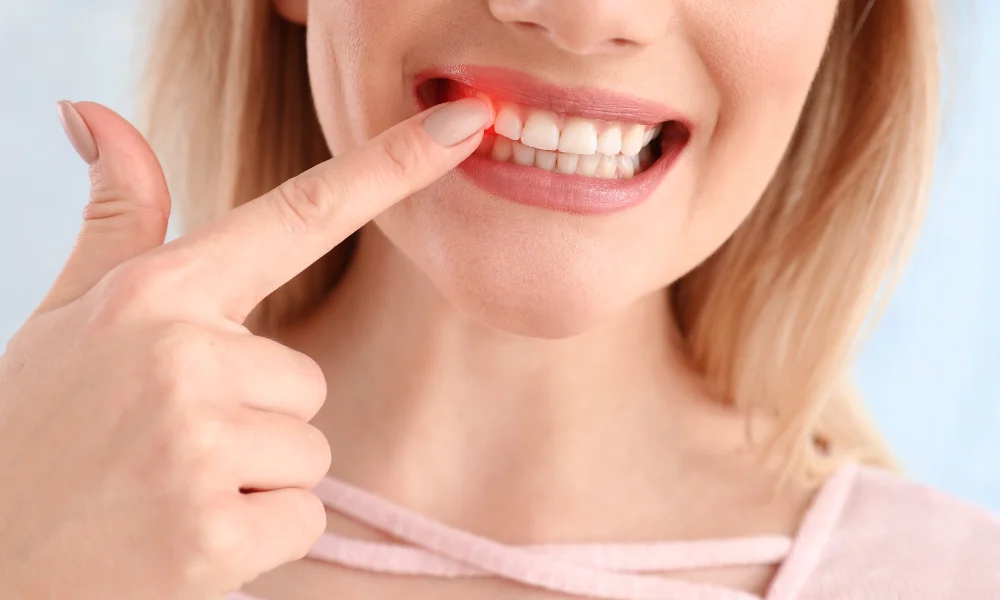
Redness and Warmth Around the Area
The gums around the extraction site may appear red and feel warm to the touch if infection is present. This is due to increased blood flow as the body responds to bacterial invasion.
Delayed Healing
If the extraction site does not show signs of healing within a few days or appears unchanged, it could indicate that the healing process is being disrupted by infection.
Healthy healing usually involves gradual reduction in pain and swelling.
Swollen Lymph Nodes
In some cases, you may notice swelling or tenderness in the lymph nodes under your jaw or in your neck. This is your body’s immune response to infection.
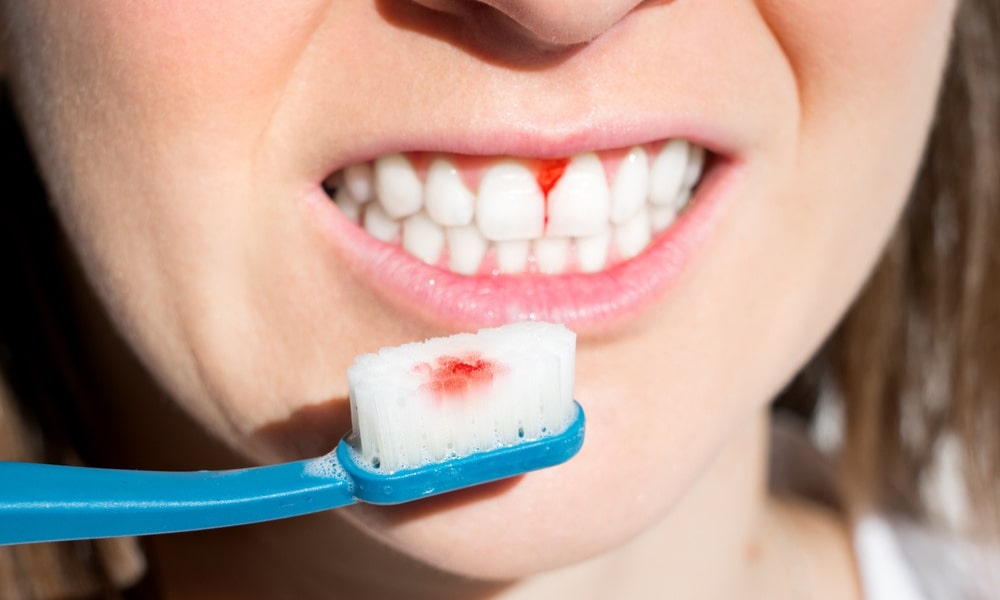
Bleeding That Does Not Stop
While slight bleeding is normal initially, continuous or excessive bleeding beyond the first day may suggest a problem, especially if combined with other symptoms.
Dry Socket vs Infection
Many people confuse dry socket with infection. Dry socket occurs when the blood clot is lost, exposing the bone. It causes intense pain and delayed healing but does not always involve infection.
However, if bacteria invade the exposed area, a dry socket can lead to infection, making the condition more serious.
Causes of Infection After Tooth Removal
Understanding the causes can help in prevention.
Poor oral hygiene allowing bacteria to enter the wound
Smoking or tobacco use that disrupts clot formation
Eating hard or contaminated foods too soon
Not following post-extraction care instructions
Underlying conditions like diabetes or weakened immunity
Food particles getting trapped in the socket
Improper sterilization or rare procedural complications
Who Is at Higher Risk
Certain individuals are more prone to post-extraction infections.
Smokers and tobacco users
People with diabetes or chronic illnesses
Individuals with poor oral hygiene
Patients undergoing complex extractions like impacted wisdom teeth
Those with weakened immune systems
When to See a Dentist Immediately
You should seek dental care without delay if you experience
Severe or worsening pain after 3 days
Visible pus or discharge
High fever or chills
Swelling spreading to the face or neck
Difficulty breathing or swallowing
Persistent bad taste or odor
Limited mouth opening
Early treatment can prevent the infection from spreading to deeper tissues or the bloodstream.
Treatment Options for Infection
If an infection is diagnosed, your dentist may recommend
Antibiotics to control bacterial growth
Cleaning and drainage of the infected area
Pain management medications
Irrigation of the socket to remove debris
Additional procedures if the infection is severe
Prompt treatment usually resolves the issue effectively.
How to Prevent Infection After Tooth Removal
Prevention is always better than treatment. Following proper aftercare significantly reduces the risk.
Keep the extraction site clean but avoid aggressive rinsing in the first 24 hours
Rinse gently with warm salt water after the first day
Avoid smoking, alcohol, and using straws
Eat soft and clean foods
Do not touch the wound with fingers or tongue
Take prescribed medications as directed
Maintain overall oral hygiene while avoiding the surgical area
Final Thoughts
Infections after tooth removal are not very common, but they can become serious if ignored. Knowing the warning signs helps you act quickly and avoid complications.
If something feels unusual during your recovery, it is always better to consult your dentist rather than wait. With proper care, awareness, and timely treatment, most people heal smoothly and return to normal without any issues.