


Tooth decay is one of the most common dental problems, yet it often goes unnoticed in its early stages. Many people only realize something is wrong when they feel pain or see visible damage. By that time, the decay has usually progressed significantly, requiring more complex treatment.
Recognizing the early signs of tooth decay can help prevent serious dental issues, reduce treatment costs, and preserve natural teeth. The challenge is that these early warning signals are often subtle and easy to ignore.

What Happens During Early Tooth Decay
Tooth decay begins when bacteria in the mouth break down sugars and produce acids. These acids attack the enamel, the hard outer layer of the tooth. Initially, the damage is microscopic and may not cause any discomfort.
At this stage, the process is still reversible with proper care. However, if ignored, it progresses deeper into the tooth, eventually affecting the inner layers and causing pain or infection.
Early Signs Most People Overlook
1. White Spots on Teeth
One of the earliest signs of decay is the appearance of chalky white spots on the tooth surface. These spots indicate mineral loss in the enamel due to acid exposure. Many people mistake them for harmless stains, but they are actually a warning sign of early damage.
2. Increased Sensitivity
Mild sensitivity to hot, cold, or sweet foods can signal the beginning of enamel erosion. Unlike sharp pain, this sensitivity is often temporary and easy to dismiss, but it should not be ignored.
3. Rough or Uneven Tooth Surface
Healthy enamel feels smooth. If a tooth starts to feel slightly rough or uneven when you run your tongue over it, it may indicate early erosion caused by acid attacks.
4. Food Getting Stuck Frequently
If food starts getting stuck in certain areas more often than usual, it could be due to small cavities forming between teeth. These early gaps may not be visible but can trap food particles and promote further decay.
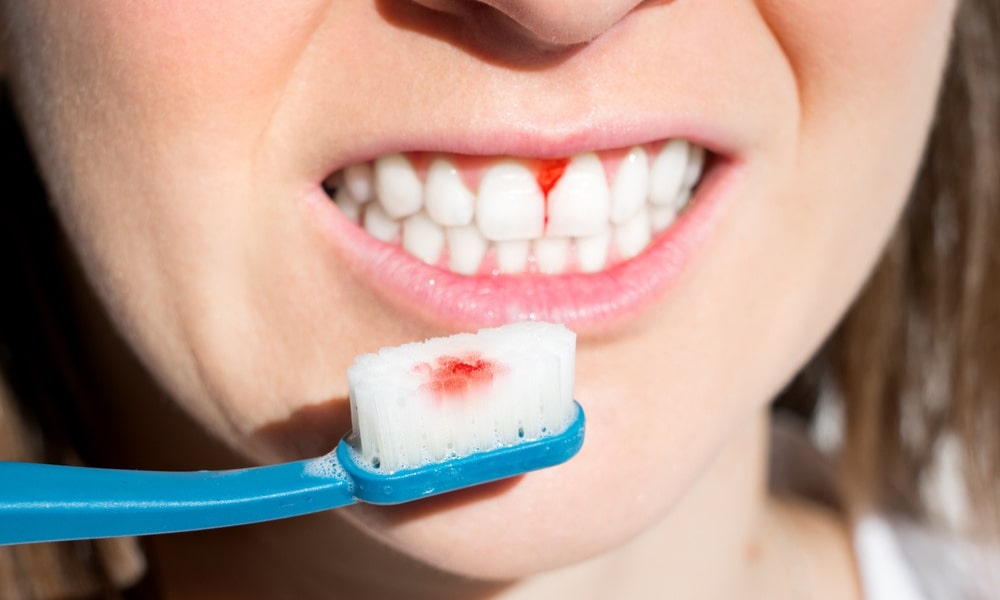
5. Mild Gum Irritation Near a Tooth
Early decay near the gum line can cause slight redness or irritation in the surrounding gums. This is often mistaken for general gum sensitivity rather than a sign of tooth damage.
6. Bad Breath That Does Not Go Away
Persistent bad breath, even after brushing, can be linked to bacterial buildup associated with early decay. The bacteria responsible for cavities can also produce unpleasant odors.
7. Faint Discoloration
Light brown or yellowish spots may appear on the tooth surface as decay progresses slightly beyond the initial stage. These changes are subtle and often overlooked until they become more noticeable.
8. Occasional Mild Pain
Early decay may cause slight discomfort when chewing or biting, especially on certain foods. Since the pain is not constant, many people ignore it.

Why These Signs Are Often Ignored
Early symptoms of tooth decay are usually painless and do not interfere with daily activities. People tend to wait until the discomfort becomes severe before seeking dental care.
Additionally, some signs resemble common issues like temporary sensitivity or minor staining, leading to misinterpretation.
Risk Factors That Increase Early Decay
Certain habits and conditions make early tooth decay more likely. Frequent consumption of sugary or acidic foods increases acid attacks on enamel. Poor oral hygiene allows plaque to build up, accelerating the decay process.
Dry mouth is another important factor, as saliva helps neutralize acids and wash away food particles. Without enough saliva, teeth become more vulnerable.
Crowded or misaligned teeth can also create areas that are difficult to clean, allowing decay to develop unnoticed.
How Dentists Detect Early Decay
Dentists use a combination of visual examination and diagnostic tools to identify early signs of decay. Digital X-rays can reveal cavities between teeth that are not visible to the naked eye.
Advanced techniques such as laser fluorescence or intraoral cameras may also be used to detect enamel changes at an early stage.
Regular dental checkups play a crucial role in catching decay before it progresses.
Can Early Tooth Decay Be Reversed?
Yes, early tooth decay can often be reversed if detected in time. This process is known as remineralization. Fluoride treatments, improved oral hygiene, and dietary changes can help restore lost minerals in the enamel.
Using fluoride toothpaste and maintaining a consistent brushing routine can strengthen enamel and prevent further damage.
How to Prevent Early Tooth Decay
Preventing decay starts with maintaining good oral hygiene. Brushing twice daily and flossing regularly removes plaque and reduces bacterial activity.
Limiting sugary and acidic foods helps minimize acid attacks. Drinking water after meals can wash away food particles and reduce acidity in the mouth.
Regular dental visits ensure that any early signs of decay are identified and treated promptly.
Using fluoride based products and considering preventive treatments like dental sealants can provide additional protection, especially for children.
When to Seek Professional Help
If you notice any of the early signs mentioned, it is important to consult a dentist even if there is no pain. Early intervention can prevent the need for fillings, root canals, or extractions.
Delaying treatment allows decay to progress, making the problem more difficult and costly to manage.
Final Thoughts
Tooth decay does not happen overnight. It begins with subtle changes that are easy to overlook but critical to detect. Paying attention to early signs such as white spots, sensitivity, and minor discomfort can make a significant difference in maintaining oral health.
By staying aware and proactive, you can stop decay in its early stages and protect your teeth from long-term damage. A combination of good habits, regular dental care, and timely action is the key to a healthy and lasting smile.