
When parents think about sugar and dental health, obvious culprits like candies, chocolates, and soft drinks usually come to mind. However, many everyday foods that appear healthy or harmless can also contain hidden sugars that quietly damage children’s teeth. These hidden sources often go unnoticed, increasing the risk of cavities and long-term dental problems.
Understanding where sugar hides and how it affects oral health is essential for protecting children’s teeth.

How Sugar Damages Teeth
Sugar itself does not directly harm teeth, but it feeds harmful bacteria in the mouth. These bacteria produce acids that attack the tooth enamel, leading to decay. Frequent exposure to sugar means repeated acid attacks, which weaken enamel and create cavities over time.
In children, this process happens faster because their enamel is thinner and less resistant to damage.
Why Hidden Sugars Are More Dangerous
Hidden sugars are often more harmful than obvious sweets because they are consumed more frequently and without awareness. Parents may limit candies but still give foods that contain high amounts of added sugars.
These foods are often marketed as healthy, making it difficult to identify the risk.
Common Hidden Sugar Sources That Affect Kids’ Teeth
1. Packaged Fruit Juices
Fruit juices are often considered a healthy alternative to soda, but many packaged juices contain high levels of added sugar. Even natural fruit sugars can be harmful when consumed frequently, especially in liquid form, as they coat the teeth and are not easily washed away.
2. Flavored Yogurt
Yogurt is nutritious, but flavored varieties often contain significant amounts of added sugar to enhance taste. These sugars stick to teeth and provide a constant food source for bacteria.
3. Breakfast Cereals
Many cereals marketed for children are loaded with sugar, even those labeled as whole grain or fortified. Starting the day with sugary cereals exposes teeth to early acid attacks.
4. Ketchup and Sauces
Condiments like ketchup, pasta sauce, and salad dressings often contain hidden sugars. While the quantity per serving may seem small, frequent use can contribute to overall sugar intake.
5. Biscuits and Crackers
Savory snacks like biscuits and crackers may not taste sweet, but they often contain refined carbohydrates that break down into sugars in the mouth. These particles can get stuck between teeth and lead to decay.
6. Energy Bars and Granola Bars
These are often marketed as healthy snacks, but many contain added sugars, syrups, or honey. Their sticky texture makes them particularly harmful, as they remain on teeth for longer periods.
7. Flavored Milk
Chocolate or strawberry milk contains added sugar that increases the risk of cavities. Regular consumption, especially without proper brushing afterward, can harm dental health.

8. Dried Fruits
Dried fruits like raisins, dates, and apricots are natural but highly concentrated in sugar. Their sticky nature allows them to cling to teeth, prolonging exposure to sugar.
9. Sports and Health Drinks
Some drinks labeled as energy or health beverages contain high sugar levels. These drinks are often given to children during activities, increasing the frequency of sugar exposure.
10. Bread and Processed Foods
Even everyday items like bread, packaged snacks, and ready to eat meals can contain added sugars. These may not taste sweet but still contribute to sugar buildup in the mouth.
How Frequency Matters More Than Quantity
One of the biggest risks with hidden sugar is how often it is consumed. Small amounts of sugar eaten frequently throughout the day are more harmful than a larger amount consumed once.
Frequent snacking does not allow saliva enough time to neutralize acids, leading to continuous enamel damage.
Signs That Sugar Is Affecting Your Child’s Teeth
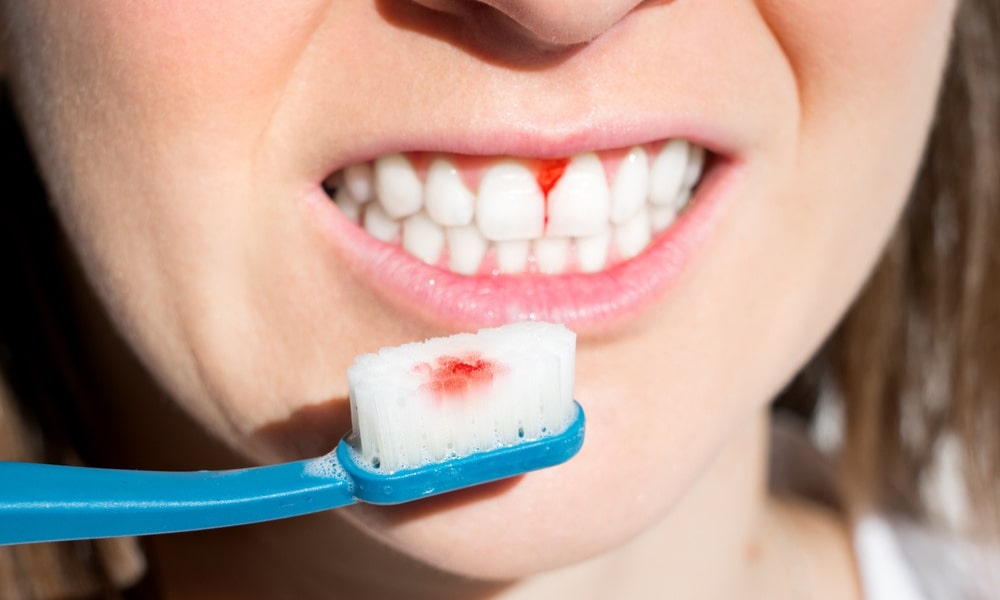
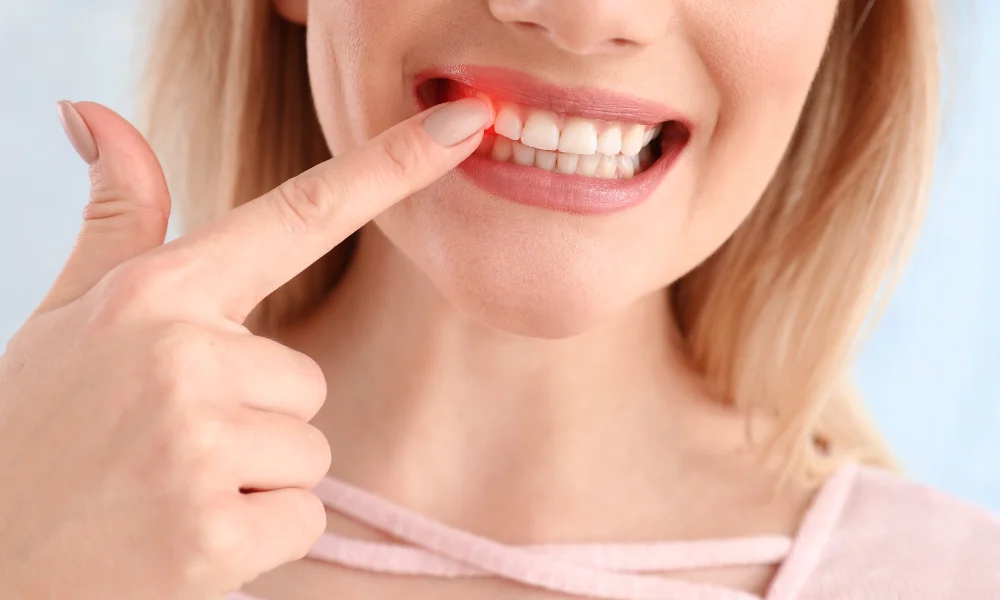
Early signs of sugar related damage include white spots on teeth, sensitivity, and visible discoloration. As decay progresses, children may experience pain, difficulty chewing, or bad breath.
Recognizing these signs early can help prevent more serious dental issues.
How to Identify Hidden Sugars on Labels
Reading food labels is key to identifying hidden sugars. Ingredients such as sucrose, glucose, fructose, corn syrup, maltose, and honey all indicate sugar content. Even products labeled as natural or healthy can contain added sugars.
Checking the total sugar content per serving can help parents make informed choices.
Practical Tips to Reduce Sugar Impact
Reducing hidden sugar does not mean eliminating all treats. Instead, it involves making smarter choices and controlling exposure.
Encourage children to drink water instead of sugary beverages. Choose plain yogurt and add fresh fruits for natural sweetness. Limit processed snacks and opt for whole foods like fruits, nuts, and homemade meals.
Maintaining a routine of brushing twice daily with fluoride toothpaste helps remove sugar residues and protect enamel. Rinsing the mouth after meals can also reduce acid buildup.
Avoid giving sugary foods before bedtime, as reduced saliva flow at night increases the risk of decay.
Role of Preventive Dental Care
Regular dental visits are essential for monitoring oral health and catching early signs of decay. Dentists may recommend fluoride treatments or dental sealants to protect vulnerable areas, especially in children.
Educating children about the importance of oral hygiene in a simple and engaging way can help build lifelong healthy habits.
Why Awareness Is the Key
Many parents focus on reducing obvious sugar sources but overlook hidden ones. Awareness is the first step in preventing cavities. By understanding where sugar hides and how it affects teeth, parents can take better control of their child’s diet and oral health.
Final Thoughts
Hidden sugars are a major contributor to dental problems in children, often causing damage without being noticed. From juices and cereals to sauces and snacks, these sources can quietly increase the risk of cavities.
By identifying hidden sugars, managing frequency, and maintaining proper oral hygiene, parents can significantly reduce the risk of tooth decay. Small changes in daily habits can make a big difference in protecting children’s smiles and ensuring long-term dental health.