
Stress is often linked to mental and emotional health, but its impact on oral health is frequently overlooked. Modern lifestyles, work pressure, financial concerns, and personal challenges can silently affect your teeth and gums. Many people experience dental problems without realizing that stress may be the underlying cause.
Understanding how stress influences oral health can help you recognize early signs, prevent damage, and maintain a healthier smile.
The Connection Between Stress and Oral Health
Stress affects the body in multiple ways. It can weaken the immune system, alter hormone levels, and trigger physical habits that harm the teeth and gums.
When stress becomes chronic, it disrupts normal body functions, including saliva production, inflammation control, and healing processes. These changes create an environment where dental issues can develop or worsen.
Common Dental Problems Caused by Stress
Stress-related dental issues are often subtle at first but can become serious over time if ignored.
Teeth Grinding and Clenching
One of the most common effects of stress is teeth grinding, also known as bruxism. Many people grind their teeth unconsciously, especially during sleep.
This constant pressure can wear down enamel, cause tooth sensitivity, and lead to jaw pain or headaches. Over time, it may even crack or damage teeth.
Jaw Pain and TMJ Disorders
Stress can cause tension in the jaw muscles, leading to discomfort or stiffness. This may result in temporomandibular joint problems, where the jaw becomes difficult to move or produces clicking sounds.
People often notice pain while chewing or speaking.

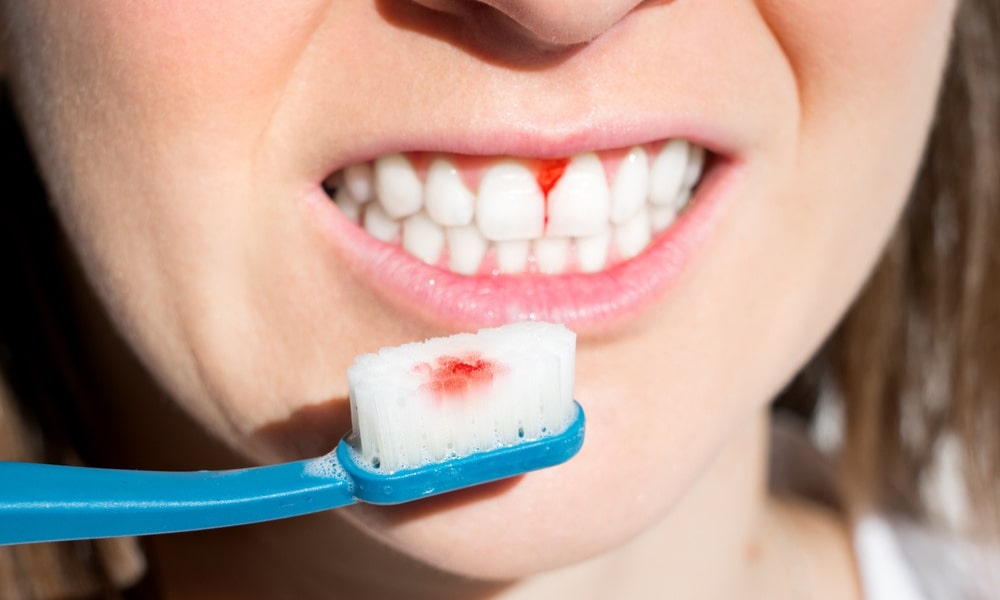
Gum Disease and Inflammation
Stress weakens the immune system, making it harder for the body to fight bacterial infections. This increases the risk of gum disease.
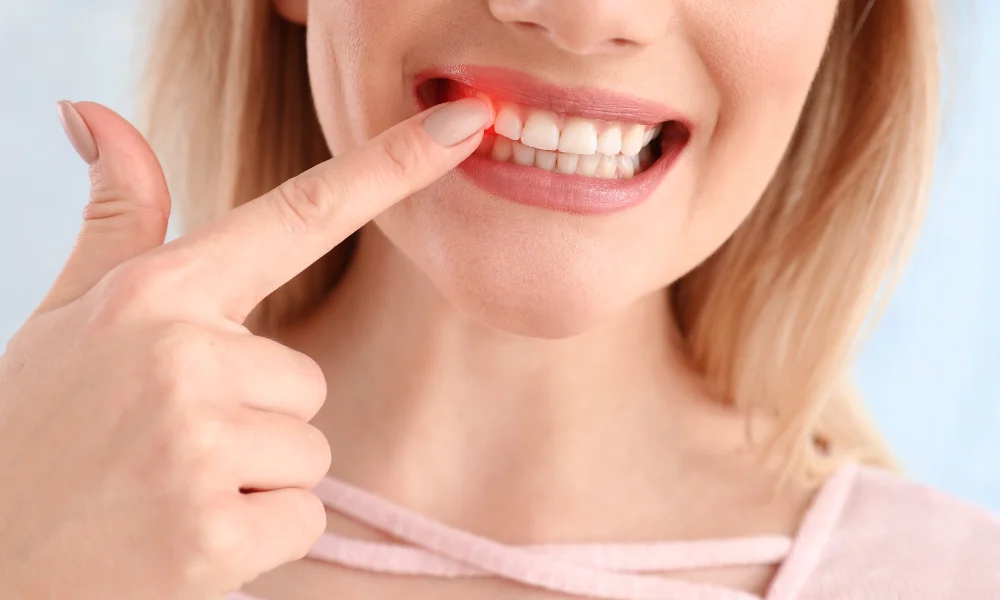
Symptoms may include bleeding gums, swelling, and redness. If untreated, it can progress to more severe conditions affecting the supporting structures of the teeth.
Mouth Sores and Ulcers
Stress is a known trigger for canker sores and other oral ulcers. These painful lesions can appear suddenly and make eating or speaking uncomfortable.
They usually heal on their own but may recur frequently during stressful periods.
Dry Mouth
Stress can reduce saliva production, leading to dry mouth. Saliva is essential for washing away bacteria and neutralizing acids.
A dry mouth increases the risk of cavities, bad breath, and gum problems.
Poor Oral Hygiene Habits
When people are stressed, they often neglect daily routines, including brushing and flossing. Emotional eating, increased sugar intake, or smoking can further worsen oral health.
These habits create a perfect environment for plaque buildup and decay.
Tooth Sensitivity
Stress-related grinding and enamel wear can expose the inner layers of the tooth, leading to increased sensitivity to hot, cold, or sweet foods.
Cracked or Damaged Teeth
Excessive pressure from clenching or grinding can cause small cracks in the teeth. These cracks may not be visible but can lead to pain and infection over time.
How Stress Triggers These Issues
Stress does not directly damage teeth but creates conditions that lead to problems.
Increased muscle tension leads to grinding and jaw strain
Hormonal changes increase inflammation in gums
Weakened immunity allows bacteria to thrive
Behavioral changes reduce oral care and increase harmful habits
This combination of physical and behavioral effects makes stress a major contributor to dental issues.
Signs That Stress Is Affecting Your Oral Health
Recognizing the signs early can help you take action before the problem worsens.
Frequent jaw pain or stiffness
Worn or flattened teeth
Headaches, especially in the morning
Bleeding or swollen gums
Persistent dry mouth
Increased tooth sensitivity
Recurring mouth ulcers
If you notice these symptoms during stressful periods, your oral health may be at risk.
How to Protect Your Teeth from Stress
Managing stress is essential not just for mental well-being but also for maintaining oral health.
Maintain a Consistent Oral Care Routine
Even during busy or stressful times, do not skip brushing and flossing. Keeping a consistent routine helps prevent plaque buildup and gum issues.
Use a Night Guard
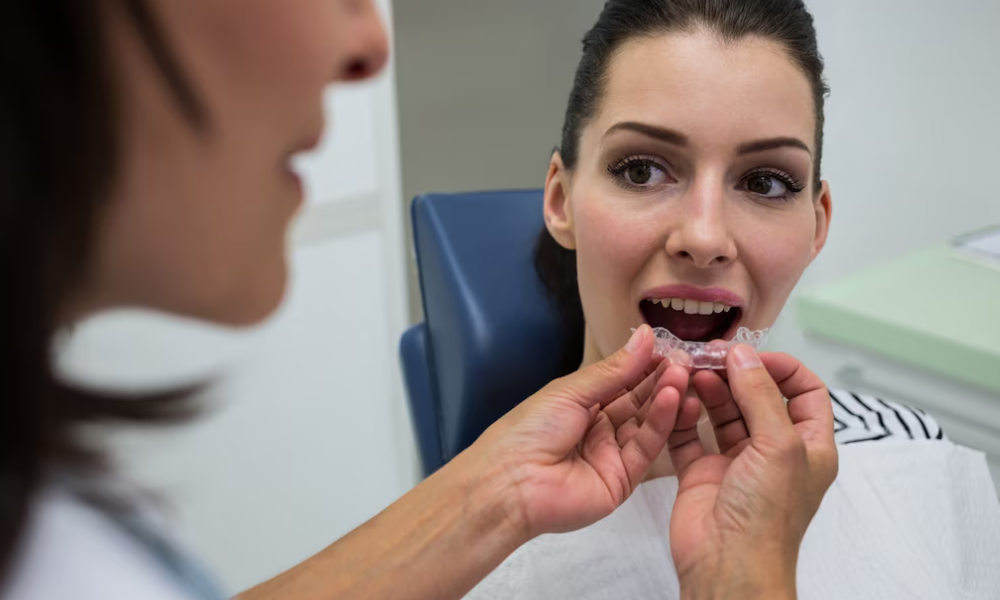
If you grind your teeth at night, a dentist may recommend a custom night guard. This protects your teeth from damage and reduces pressure on the jaw.
Stay Hydrated
Drinking enough water helps combat dry mouth and supports saliva production.
Practice Stress Management Techniques
Activities like exercise, meditation, deep breathing, or yoga can help reduce stress levels and minimize its physical impact.
Avoid Harmful Coping Habits
Limit smoking, alcohol, and excessive caffeine intake, as they can worsen both stress and oral health problems.
Follow a Balanced Diet
A nutritious diet supports overall health and strengthens your body’s ability to fight infections.
Regular Dental Checkups
Routine dental visits help detect early signs of stress-related damage. Your dentist can identify issues like grinding, gum inflammation, or enamel wear before they become severe.
When to See a Dentist
If you experience persistent pain, visible tooth damage, or ongoing gum problems, consult a dentist promptly. Early intervention can prevent more complex treatments later.
You should also seek help if jaw pain or headaches are affecting your daily life.
The Bigger Picture
Stress is an unavoidable part of life, but its effects on oral health can be managed. Being aware of how stress influences your teeth and gums allows you to take preventive steps.
A healthy smile is not just about brushing and flossing but also about maintaining overall well-being.
Final Thoughts
Stress can quietly trigger a range of unexpected dental issues, from teeth grinding and gum disease to dry mouth and sensitivity. These problems often develop gradually, making them easy to overlook.
By recognizing the connection between stress and oral health, you can take proactive steps to protect your teeth. Combining good oral hygiene with stress management techniques ensures long-term dental health and overall balance.
Taking care of your mind is just as important as taking care of your smile.