
Creating a positive dental routine for children is one of the most important steps in ensuring lifelong oral health. However, many children develop fear around brushing, dental visits, or even the idea of a dentist. This fear often begins early and can lead to avoidance, poor oral hygiene, and long-term dental issues.
A no-fear dental routine focuses on making oral care simple, engaging, and stress-free. With the right approach, parents can turn dental care into a habit children actually enjoy rather than resist.
You might also like
Why Children Develop Dental Fear
Understanding the root of the problem is the first step. Children are naturally sensitive to new experiences, especially those involving unfamiliar tools, sounds, or sensations.
Common reasons include fear of pain, previous negative experiences, hearing scary stories, or simply not understanding what is happening. Even a parent’s anxious tone can influence how a child perceives dental care.
The goal is to replace fear with familiarity and comfort.
Start Early and Keep It Consistent
Building a routine should begin as soon as the first tooth appears. Early exposure helps children see dental care as a normal part of daily life.
Use a soft brush designed for infants and gradually transition as they grow. Keeping a consistent schedule, usually twice a day, creates a sense of predictability and reduces resistance.
Consistency is more important than perfection in the beginning.
Make Brushing Fun and Interactive
Children respond better to activities that feel like play rather than obligation. Turning brushing into a fun experience can make a big difference.
Use colorful toothbrushes with their favorite characters
Play their favorite song or a two-minute timer during brushing
Turn brushing into a game or storytelling moment
Use flavored toothpaste that children enjoy but is safe for their age
When brushing feels like an activity they look forward to, fear naturally decreases.
Lead by Example
Children learn by observing. When they see parents brushing regularly and calmly, they are more likely to imitate the behavior.
Brush together as a family to create a shared routine. This not only builds trust but also shows that dental care is something everyone does, not something to fear.

Use Positive Reinforcement
Encouragement works better than force. Praise your child for brushing, even if they are still learning.
You can use small rewards like stickers, charts, or verbal appreciation. Avoid using punishment or threats related to dental care, as this can increase anxiety.
The focus should always be on building confidence and cooperation.
Introduce Dental Visits Early
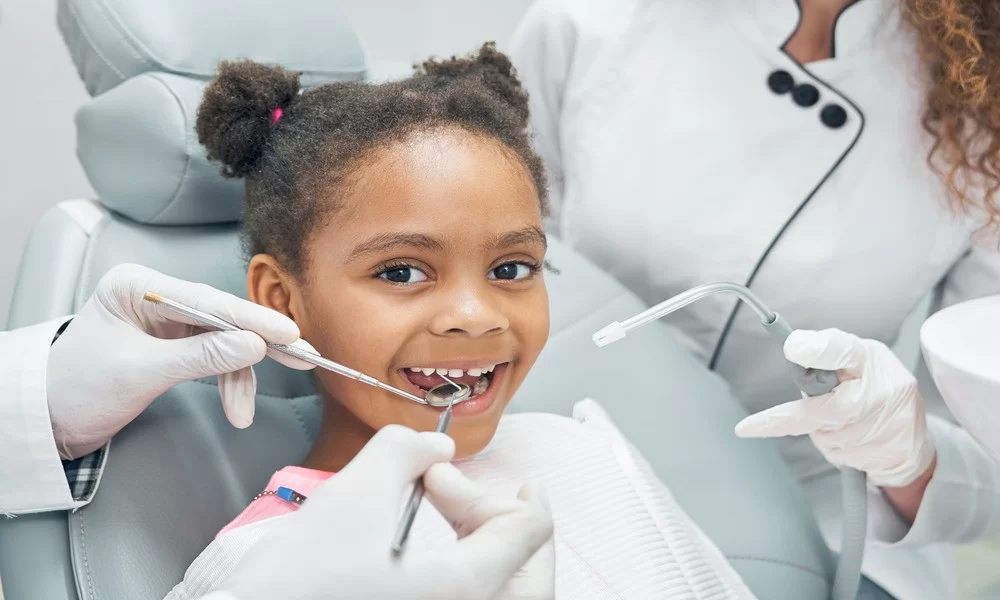
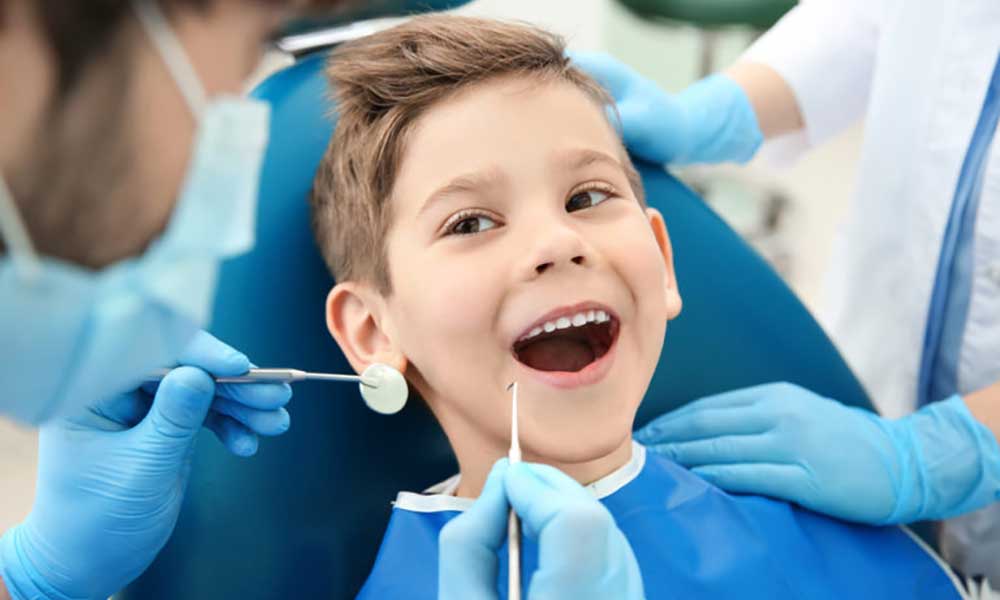
Taking your child to the dentist at an early age helps them become familiar with the environment. The first visit is usually more about observation and comfort than treatment.
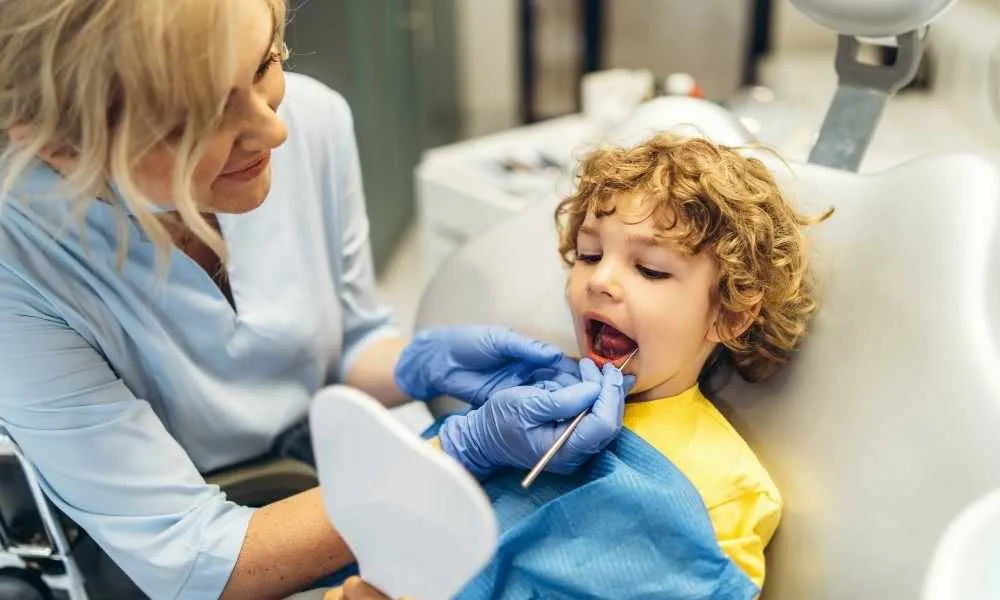
Choose a dentist experienced with children, as they use gentle techniques and friendly communication. Regular visits every six months help normalize the experience.
Avoid using the dentist as a threat, such as saying “if you don’t brush, the dentist will hurt you.” This creates fear instead of trust.
Explain in Simple and Positive Language
Children feel less anxious when they understand what is happening. Use simple words to explain brushing and dental visits.
Instead of saying “this might hurt,” you can say “the dentist will clean your teeth and make them shiny.” Focus on positive outcomes rather than discomfort.
Storybooks or videos about dental care can also help children relate and feel prepared.
Gradually Build Independence
As children grow, encourage them to take part in their own dental care. Start by letting them hold the toothbrush, then guide them.
Eventually, allow them to brush on their own while you supervise. This builds confidence and a sense of responsibility.
Even after they gain independence, occasional supervision ensures proper technique.
Manage Anxiety Triggers
Some children are sensitive to sounds, tastes, or sensations. Identifying these triggers can help you adjust the routine.
Use a softer toothbrush if they complain about discomfort
Choose mild toothpaste if strong flavors are overwhelming
Keep the environment calm and free from distractions
If a child shows strong fear, take small steps rather than forcing the routine all at once.
Limit Sugar and Promote Healthy Habits
A no-fear dental routine is not just about brushing but also about lifestyle. Diet plays a major role in oral health.
Limit sugary snacks and drinks
Encourage water after meals
Include fruits and vegetables that promote natural cleaning
Avoid frequent snacking, which increases plaque buildup
When children experience fewer dental issues, their confidence around oral care improves.
Use Technology and Modern Tools
Today, there are many tools designed to make dental care more engaging for children.
Electric toothbrushes with timers and music
Mobile apps that guide brushing routines
Educational cartoons focused on oral hygiene
These tools can turn a routine task into an enjoyable experience.
Stay Patient and Flexible
Every child is different. Some adapt quickly, while others need more time. Avoid comparing your child with others or expecting immediate results.
If your child resists brushing one day, stay calm and try again later. Building a no-fear routine is a gradual process.
Signs Your Child Is Developing Dental Confidence
You will notice positive changes over time.
Willingness to brush without resistance
Curiosity about dental tools and visits
Reduced anxiety during checkups
Better oral hygiene habits
These signs indicate that your efforts are working.
When to Seek Professional Help
If your child has extreme fear, refuses dental care consistently, or shows signs of dental problems, consult a pediatric dentist. They can provide behavior management techniques and ensure your child’s oral health stays on track.
Early intervention prevents both fear and dental complications from becoming long-term issues.
Final Thoughts
Building a no-fear dental routine for children is about creating a positive, consistent, and supportive environment. By making dental care fun, involving, and stress-free, you help your child develop healthy habits that last a lifetime.
Patience, encouragement, and early exposure are key. When children feel safe and confident, dental care becomes a normal part of their daily routine rather than something to avoid.