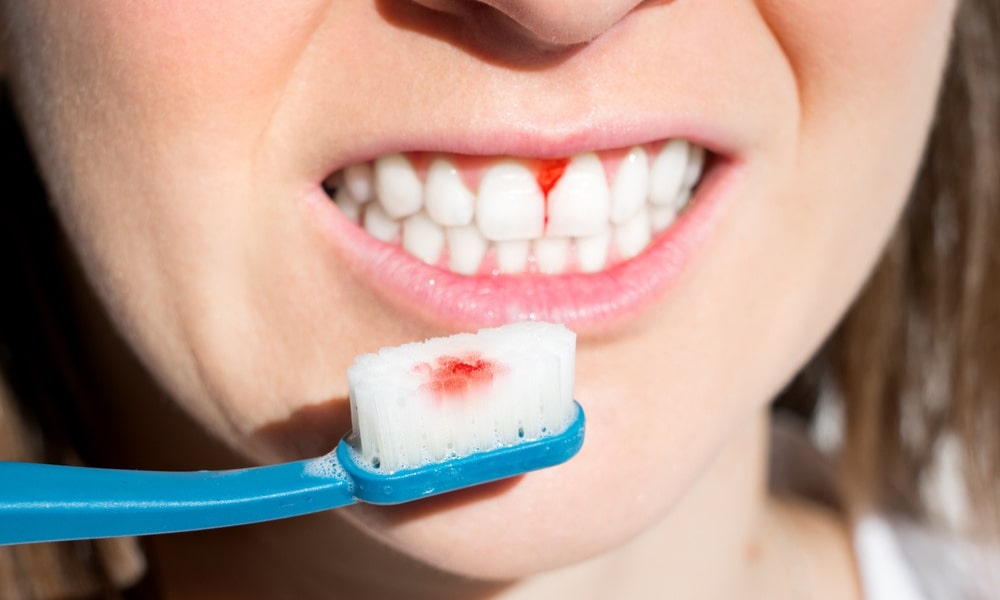
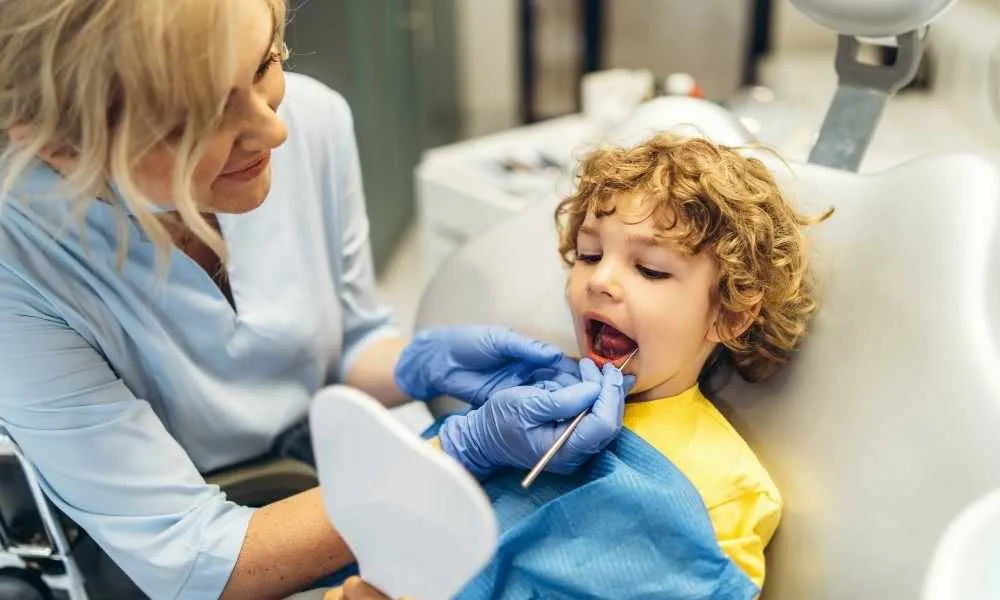

Cavities are one of the most common dental problems in children, often developing more quickly than in adults. Many parents wonder why their child’s teeth seem more vulnerable despite regular brushing or occasional dental visits. The answer lies in a combination of biological, behavioral, and lifestyle factors that make children more prone to tooth decay.
Understanding these factors can help parents take preventive steps early and protect their child’s oral health in the long run.
What Are Cavities and How Do They Form?
Cavities, also known as dental caries, occur when bacteria in the mouth break down sugars and produce acids. These acids attack the tooth enamel, gradually creating holes or decay. If not treated, cavities can progress deeper into the tooth, causing pain, infection, and even tooth loss.
While this process can affect anyone, it tends to happen faster in children due to several key reasons.
Reasons Why Kids Get Cavities Faster
1. Weaker and Thinner Enamel
Children’s teeth, especially primary or baby teeth, have thinner and softer enamel compared to adult teeth. This makes them less resistant to acid attacks. As a result, once decay begins, it spreads more quickly through the tooth structure.
2. High Sugar Consumption
Children often consume more sugary foods and drinks such as chocolates, candies, juices, and flavored milk. Frequent snacking increases the amount of sugar available for bacteria, leading to repeated acid attacks throughout the day.
Sticky foods are particularly harmful because they cling to teeth and provide a longer feeding ground for bacteria.
3. Poor Brushing Habits
Many children lack proper brushing techniques or do not brush for the recommended duration. They may miss hard to reach areas, especially the back teeth where cavities commonly form.
Without consistent and effective oral hygiene, plaque builds up quickly, increasing the risk of decay.
4. Irregular Oral Hygiene Routine
Children may skip brushing at night or forget to rinse after meals. Night time is especially critical because saliva production decreases during sleep, reducing the mouth’s natural ability to neutralize acids.
5. Deep Grooves in Teeth
Molars in children often have deep pits and grooves where food particles easily get trapped. These areas are difficult to clean thoroughly with a toothbrush, making them more susceptible to cavities.
6. Lack of Fluoride Exposure
Fluoride strengthens enamel and helps prevent decay. If children are not using fluoride toothpaste or do not have access to fluoridated water, their teeth become more vulnerable to acid damage.
7. Developing Immune and Saliva Systems
Children’s saliva composition and immune defenses are still developing. Saliva plays a key role in washing away food particles and neutralizing acids. Reduced efficiency in this natural defense can increase cavity risk.
8. Frequent Snacking Habits
Unlike adults who may eat at fixed times, children often snack multiple times a day. Each snack triggers an acid attack, and frequent snacking does not give the teeth enough time to recover.
9. Bottle Feeding and Night Feeding
In younger children, prolonged bottle feeding, especially with milk or sugary liquids, can lead to early childhood caries. When children sleep with a bottle, sugars remain in contact with teeth for extended periods, accelerating decay.
10. Limited Awareness and Supervision
Children rely on parents or caregivers for oral care guidance. Without proper supervision, they may not follow good dental habits consistently, increasing the likelihood of cavities.

Why Baby Teeth Matter
Many people assume that cavities in baby teeth are not a major concern since these teeth will eventually fall out. However, this is a misconception. Baby teeth play a crucial role in chewing, speech development, and guiding permanent teeth into proper position.
Untreated cavities in baby teeth can lead to pain, infection, and even affect the development of permanent teeth.
Early Signs of Cavities in Kids
Recognizing early signs can help prevent further damage. White spots on teeth, sensitivity to hot or cold foods, visible holes, and complaints of tooth pain are common indicators. Bad breath or dark spots on teeth may also signal decay.
Regular dental checkups are essential for detecting cavities at an early stage.
How Cavities Progress Faster in Children
Once decay begins in a child’s tooth, it can spread rapidly due to thinner enamel and smaller tooth size. The distance from the outer enamel to the inner pulp is shorter, allowing bacteria to reach sensitive areas quickly.
This is why cavities in children often require prompt treatment to prevent complications.
Preventing Cavities in Children
Prevention is the most effective way to protect children’s teeth. Establishing good habits early can significantly reduce the risk of decay.
Encourage brushing twice a day with fluoride toothpaste and ensure proper technique. Parents should supervise brushing, especially for younger children, to ensure all areas are cleaned.
Limit sugary snacks and drinks, and promote healthier alternatives like fruits, nuts, and water. Avoid giving sugary foods before bedtime.
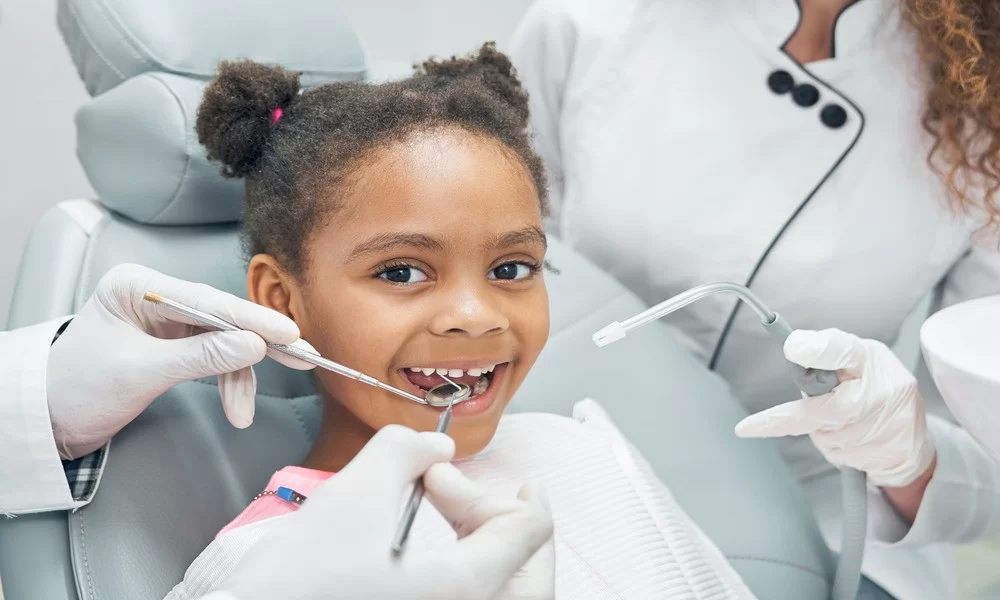
Regular dental visits help monitor oral health and allow for preventive treatments such as fluoride applications or sealants for molars.
Teaching children the importance of oral hygiene in a fun and engaging way can also make a big difference.
Role of Modern Preventive Dentistry
Advancements in pediatric dentistry have made cavity prevention more effective. Dental sealants are commonly used to protect the grooves of molars, reducing the risk of decay. Fluoride treatments help strengthen enamel and reverse early signs of damage.
Educational tools and child-friendly dental approaches also encourage better cooperation and long-term habits.
When to See a Dentist
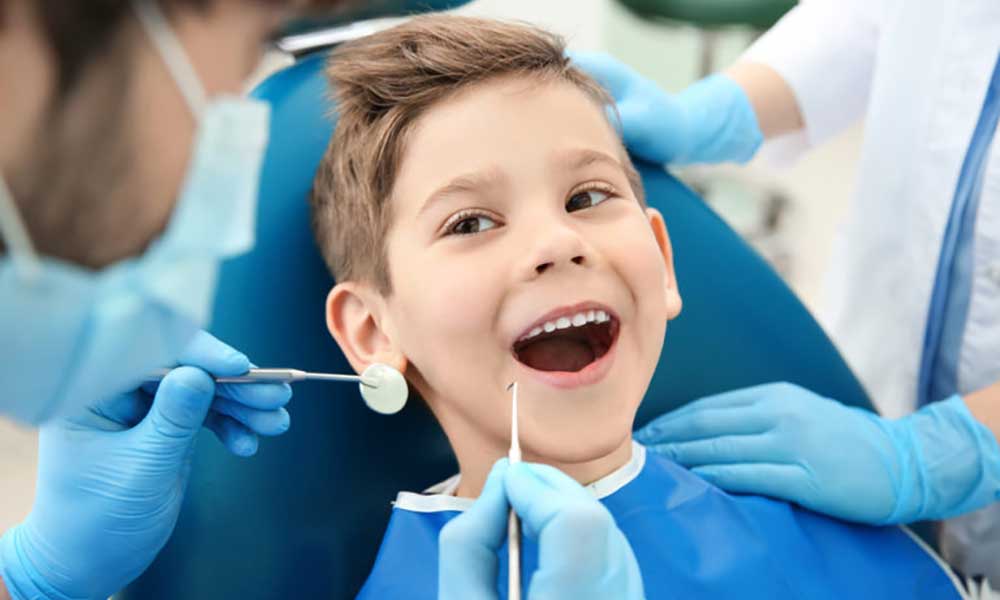
Parents should take their child to the dentist as soon as the first tooth appears or by the age of one. Early visits help establish a dental routine and identify potential risks.
If a child complains of tooth pain, sensitivity, or shows visible signs of decay, immediate consultation is necessary.
Final Thoughts
Children are more prone to cavities than adults due to a combination of biological factors, dietary habits, and developing oral hygiene routines. While this increased risk is natural, it can be effectively managed with the right preventive measures.
By focusing on early education, proper care, and regular dental visits, parents can protect their child’s teeth and set the foundation for a lifetime of healthy smiles.