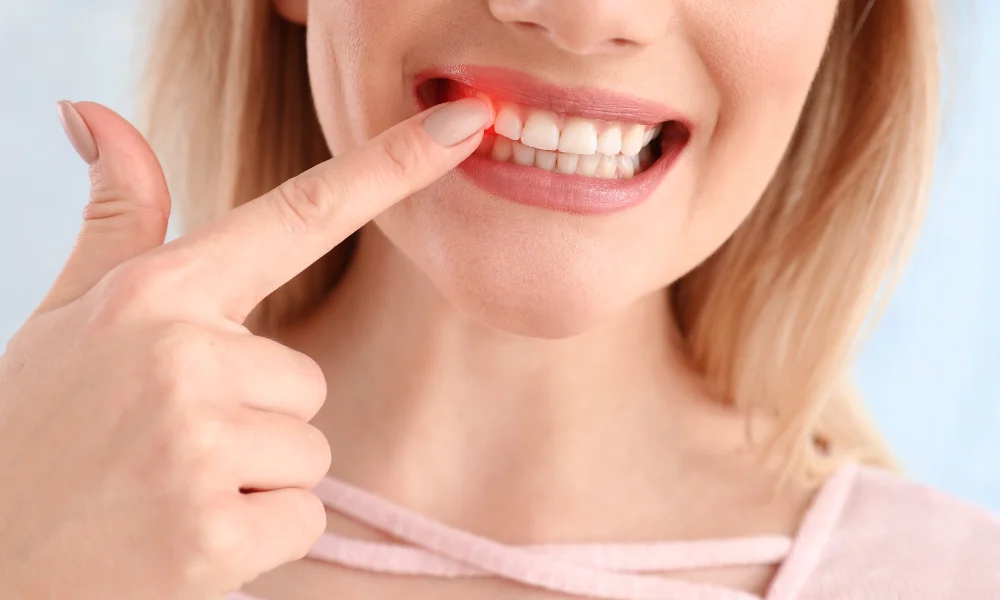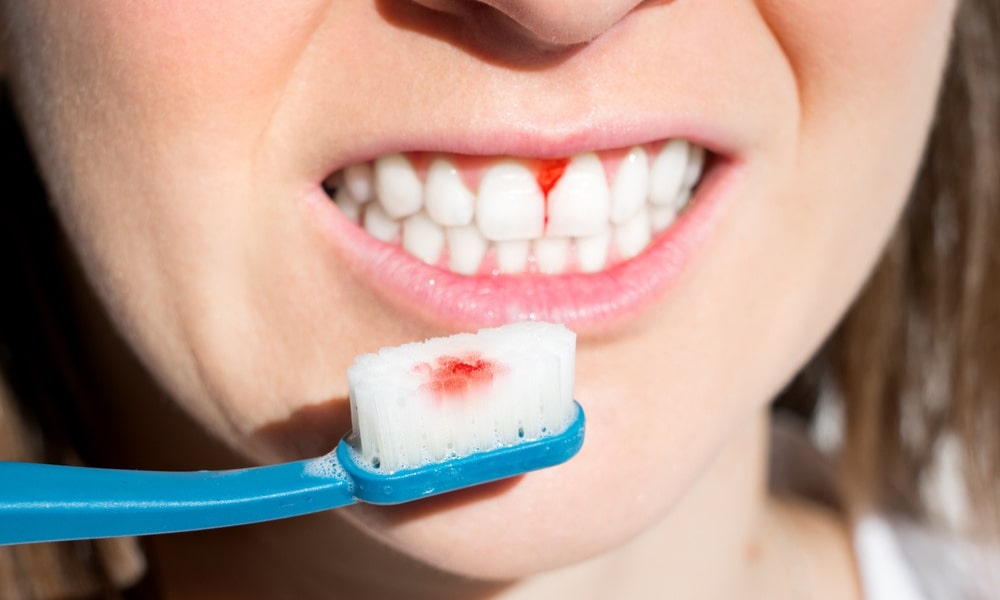
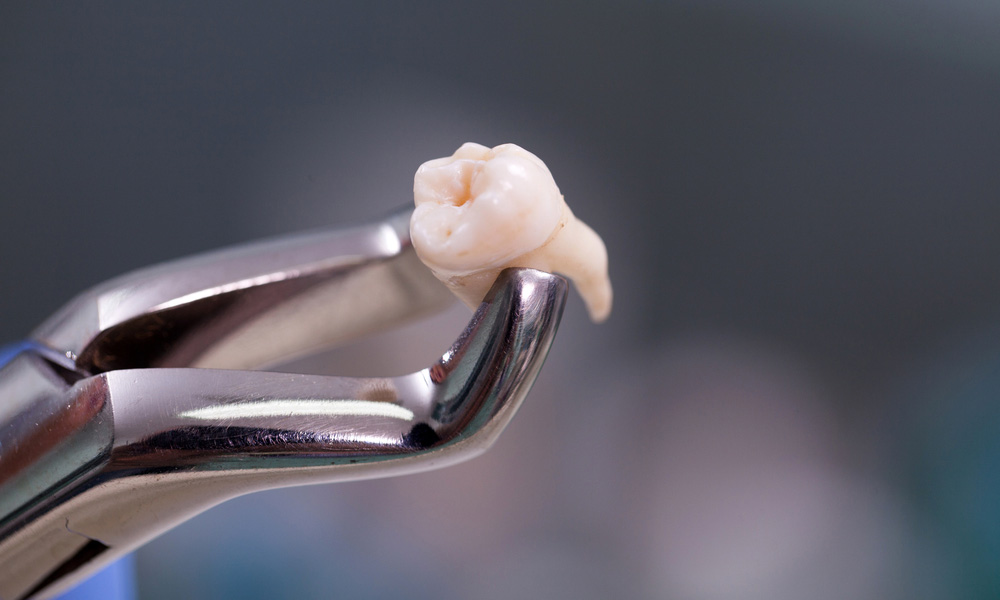

Tooth extraction is a common dental procedure, whether it is due to severe decay, infection, crowding, or wisdom tooth issues. While most people expect a similar recovery timeline, the reality is quite different. Some individuals heal within a few days with minimal discomfort, while others take longer and may experience complications. Understanding why healing varies can help you manage recovery better and avoid delays.
What Happens After a Tooth Extraction
Once a tooth is removed, the body immediately begins the healing process. A blood clot forms in the empty socket, which is essential for protecting the bone and nerves underneath. Over time, this clot is replaced by soft tissue and eventually bone.

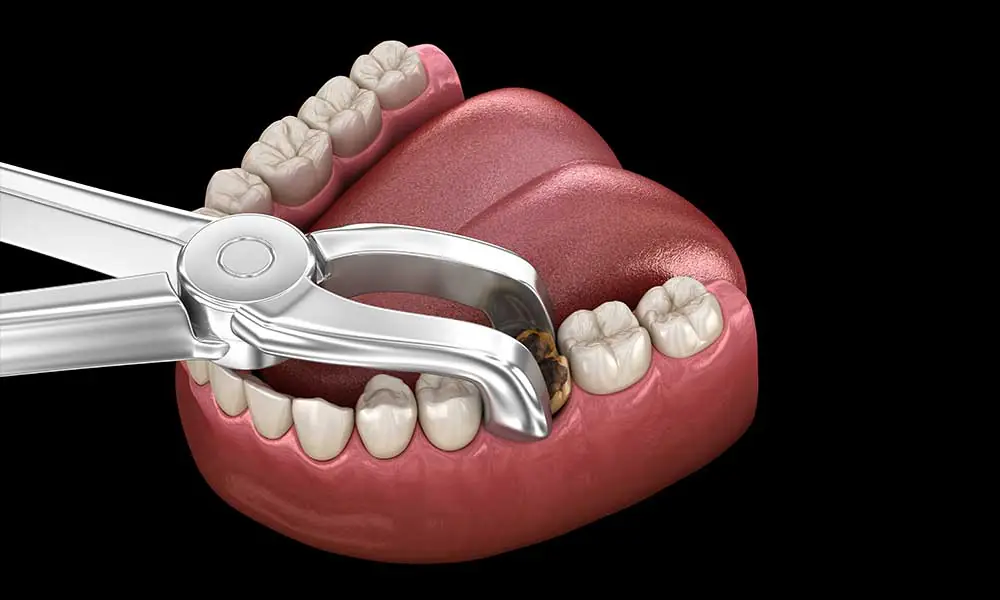
The healing process typically occurs in stages. The first 24 to 48 hours focus on clot formation. Within a week, gum tissue begins to close over the socket. Complete bone healing may take several weeks to months depending on the case.
However, the speed and smoothness of this process depend on several factors.
Key Factors That Influence Healing Speed
1. Type of Extraction
Not all extractions are the same. A simple extraction, where the tooth is visible and easily removed, usually heals faster. Surgical extractions, such as impacted wisdom teeth, involve incisions and sometimes bone removal, which naturally extends recovery time.
2. Size and Condition of the Wound
Larger wounds take longer to heal. Teeth with multiple roots or those that require sectioning during removal create bigger sockets. Additionally, if the surrounding bone or gum tissue is damaged during extraction, healing may slow down.
3. Presence of Infection
If the tooth was removed due to infection, the surrounding tissues might already be inflamed or compromised. This can delay healing because the body needs to fight infection before it can fully repair the area.
4. Blood Clot Stability
The blood clot plays a crucial role in healing. If it becomes dislodged or dissolves prematurely, it can lead to a painful condition known as dry socket. This significantly delays healing and increases discomfort.
5. Age and Overall Health
Younger individuals generally heal faster because their cells regenerate more efficiently. People with good overall health and strong immunity also tend to recover quickly. On the other hand, conditions like diabetes or weakened immunity can slow down healing.
6. Oral Hygiene Practices
Keeping the extraction site clean without disturbing it is essential. Poor oral hygiene can lead to bacterial buildup, increasing the risk of infection and delaying recovery.
7. Lifestyle Habits
Smoking and alcohol consumption can interfere with healing. Smoking, in particular, reduces blood flow and can dislodge the clot, increasing the risk of complications. A healthy lifestyle supports faster recovery.
8. Post-Extraction Care
Following the dentist’s instructions plays a major role. Patients who rest, avoid hard foods, and maintain proper care routines typically heal faster than those who ignore aftercare guidelines.

Signs of Faster Healing
When healing progresses well, you may notice reduced swelling within a couple of days, minimal pain, and gradual closure of the extraction site. The area may feel slightly tender, but discomfort decreases steadily.
Healthy healing also means no unusual discharge, bad taste, or persistent bleeding.
Signs of Delayed Healing
Delayed healing can present in several ways. Persistent pain beyond a few days, swelling that worsens instead of improving, or a foul smell from the extraction site may indicate a problem. Dry socket is one of the most common complications and is often characterized by severe pain and an empty-looking socket.
Infections may also develop if bacteria enter the wound, leading to redness, pus formation, or fever.
How to Promote Faster Healing
Taking the right steps after a tooth extraction can significantly improve recovery time.
Rest is important during the first 24 hours, as it allows the body to focus on healing. Avoid rinsing your mouth vigorously, as this can disturb the clot. Instead, gentle rinsing with salt water can be started after the first day to keep the area clean.
Eating soft foods such as khichdi, yogurt, or mashed vegetables helps prevent irritation. Staying hydrated is equally important, but using straws should be avoided as the suction can dislodge the clot.
Maintaining oral hygiene without touching the extraction site directly is crucial. Brushing other teeth carefully helps prevent bacterial buildup.
Avoid smoking and alcohol during the healing period, as both can delay recovery and increase complications.
Role of Modern Dental Techniques
Advancements in dental technology have improved healing outcomes significantly. Techniques such as minimally invasive extraction, better anesthesia, and improved surgical tools reduce trauma to surrounding tissues. Dentists may also use medicated dressings or prescribe antibiotics when necessary to support healing.
In some cases, platelet-rich fibrin (PRF) or similar regenerative methods are used to accelerate tissue repair and reduce recovery time.
Why Healing Differs From Person to Person
Each individual’s body responds differently to injury and repair. Factors such as genetics, immune response, and tissue regeneration capacity all play a role. Even two people undergoing the same procedure may experience different recovery speeds due to these variations.
Understanding this helps set realistic expectations and reduces anxiety during the healing phase.
When to Consult a Dentist
While mild discomfort is normal, you should seek professional advice if pain becomes severe, swelling increases after a few days, or there are signs of infection. Early intervention can prevent complications and ensure proper healing.
Final Thoughts
The speed of healing after a tooth extraction depends on a combination of procedural factors, individual health, and post-care habits. While some aspects are beyond control, many can be managed with proper care and awareness.
By understanding what influences healing and following the right practices, you can support your body’s natural recovery process and reduce the chances of complications. A smooth healing journey not only ensures comfort but also protects your overall oral health in the long term.