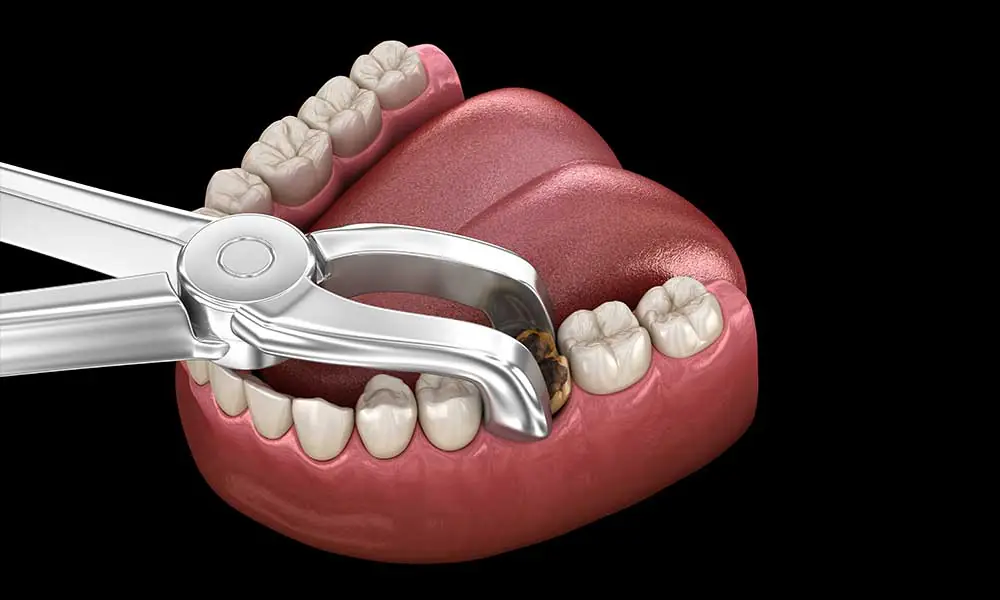

Tooth pain caused by deep decay or infection can feel overwhelming, and in many cases, people assume extraction is the only solution. However, modern dentistry offers a highly effective alternative that allows you to preserve your natural tooth. Root canal treatment is designed to eliminate infection while keeping the structure of the tooth intact, helping you avoid removal and maintain long-term oral health.
Understanding the Problem Inside the Tooth
Each tooth has a soft inner layer known as pulp, which contains nerves, blood vessels, and connective tissue. When bacteria enter this area due to deep cavities, cracks, or trauma, it can lead to infection and severe pain. If left untreated, the infection may spread to surrounding tissues, causing abscess formation and even bone damage.

In such situations, extraction may seem like a quick fix. However, removing a tooth creates new challenges such as shifting teeth, bite problems, and the need for replacement options like implants or bridges. Root canal treatment addresses the infection directly while preserving the natural tooth structure.
What Is Root Canal Treatment?
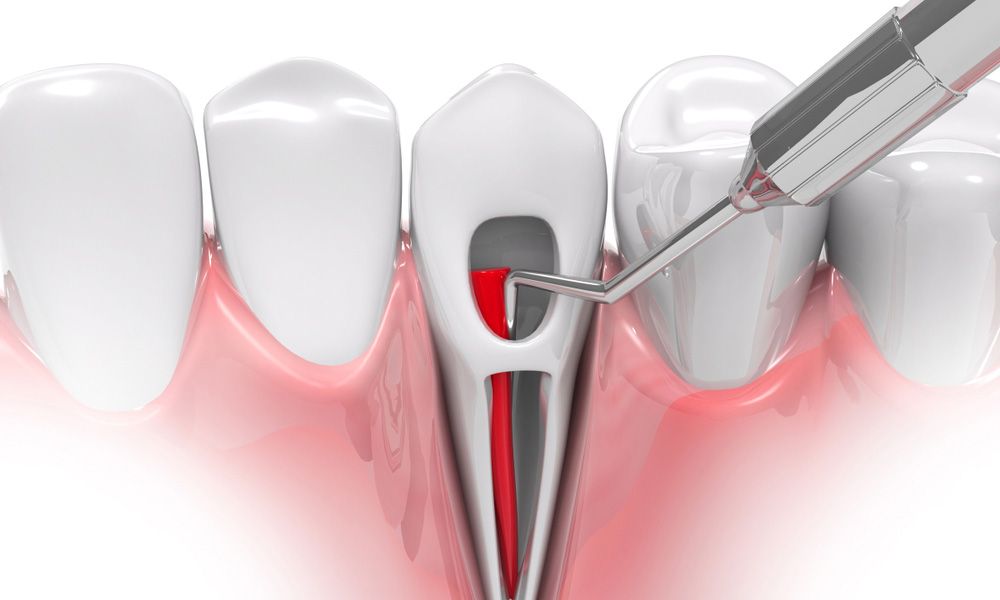
Root canal treatment is a dental procedure that removes infected or damaged pulp from inside the tooth. After cleaning and disinfecting the canals, the space is filled and sealed to prevent future infection. The tooth is then restored with a filling or crown to regain strength and function.
This process allows the tooth to remain in place without pain, effectively saving it from extraction.
How Root Canal Treatment Prevents Tooth Loss
1. Eliminates Infection at the Source
The primary goal of root canal treatment is to remove bacteria and infected tissue from inside the tooth. By thoroughly cleaning the canals, the procedure stops the spread of infection, preventing further damage that could otherwise lead to tooth loss.
2. Preserves Natural Tooth Structure
Unlike extraction, which removes the entire tooth, a root canal keeps the outer structure intact. This is important because natural teeth function better than artificial replacements and help maintain proper chewing and speech.
3. Prevents Bone Loss
When a tooth is extracted, the surrounding jawbone can begin to shrink over time due to lack of stimulation. Keeping the natural tooth in place helps maintain bone density and facial structure.
4. Restores Function and Strength
After the root canal, a crown is often placed on the treated tooth. This restoration strengthens the tooth and allows it to function like a normal tooth, enabling you to eat and speak comfortably.
5. Avoids the Need for Complex Replacements
Tooth extraction often requires additional treatments such as dental implants, bridges, or dentures. These options can be costly and time-consuming. Root canal treatment eliminates the need for such replacements by saving the original tooth.

Step-by-Step Process of Root Canal Treatment
The procedure is typically completed in one or two visits, depending on the complexity of the case.
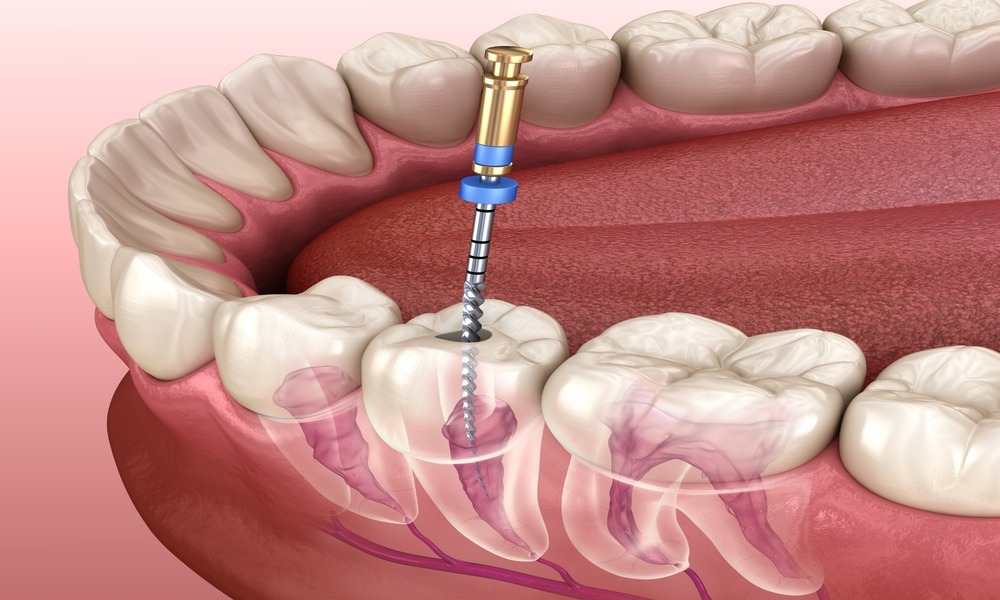
First, the dentist examines the tooth and takes X-rays to assess the extent of infection. Local anesthesia is administered to ensure a pain-free experience. A small opening is made in the tooth to access the infected pulp. The damaged tissue is carefully removed, and the canals are cleaned and shaped.
Once the canals are disinfected, they are filled with a biocompatible material to seal them. Finally, the tooth is restored with a filling or crown to protect it from future damage.
Is Root Canal Treatment Painful?
Many people associate root canals with pain, but this is a common misconception. With modern techniques and anesthesia, the procedure is usually no more uncomfortable than getting a filling. In fact, it relieves the pain caused by infection rather than causing it.
Some mild soreness may occur after the treatment, but it typically subsides within a few days and can be managed with medication.
Signs You May Need a Root Canal
Recognizing the early signs of infection can help you seek timely treatment and avoid extraction. Common symptoms include persistent tooth pain, sensitivity to hot or cold, swelling in the gums, discoloration of the tooth, and pain while chewing.
In some cases, there may be no obvious symptoms, which is why regular dental checkups are essential.
Long-Term Success of Root Canal Treatment
Root canal treatment has a high success rate when performed correctly and followed by proper care. A treated tooth can last for many years, often a lifetime, if maintained well.
To ensure long-term success, it is important to practice good oral hygiene, avoid biting on hard objects, and attend regular dental visits. Placing a crown on the treated tooth also plays a crucial role in protecting it from fractures.
Root Canal vs Extraction: Why Saving the Tooth Matters
While extraction may remove the problem quickly, it creates a gap that affects both function and appearance. Neighboring teeth may shift into the empty space, leading to alignment issues and bite problems. Additionally, replacing a missing tooth requires additional procedures and costs.
Root canal treatment, on the other hand, allows you to keep your natural tooth, maintain proper alignment, and avoid unnecessary complications. It is often the more conservative and beneficial option.
When Extraction May Still Be Necessary
In some cases, a tooth may be too damaged to save, such as when there is severe structural loss or advanced gum disease. However, these situations are less common, and dentists usually recommend root canal treatment whenever possible to preserve the natural tooth.
Final Thoughts
Root canal treatment plays a crucial role in modern dentistry by offering a reliable way to save teeth that would otherwise need to be extracted. By removing infection, preserving structure, and restoring function, it helps maintain both oral health and overall well-being.
Choosing a root canal over extraction not only saves your natural tooth but also prevents future complications and additional treatments. With timely care and proper maintenance, a treated tooth can continue to serve you effectively for years to come.