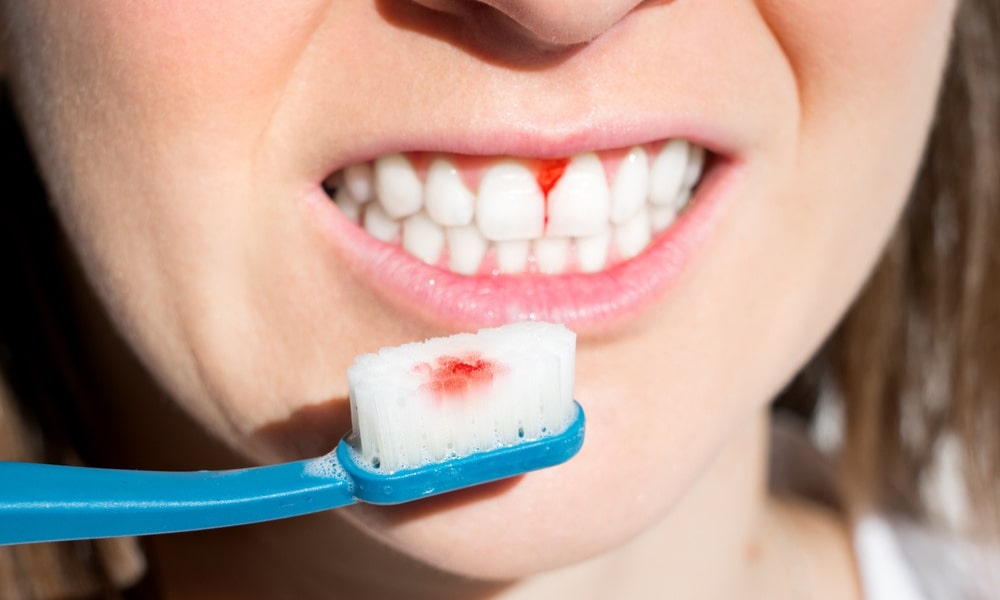

Root canal treatment is often seen as a permanent solution for severe tooth pain caused by infection or decay. While the procedure is highly effective in saving natural teeth, some patients experience discomfort or pain even after the treatment is completed. This can be confusing and concerning, especially when the expectation is complete relief. Understanding why pain can return after a root canal helps in identifying the right solution and preventing further complications.
Is Pain After a Root Canal Normal?
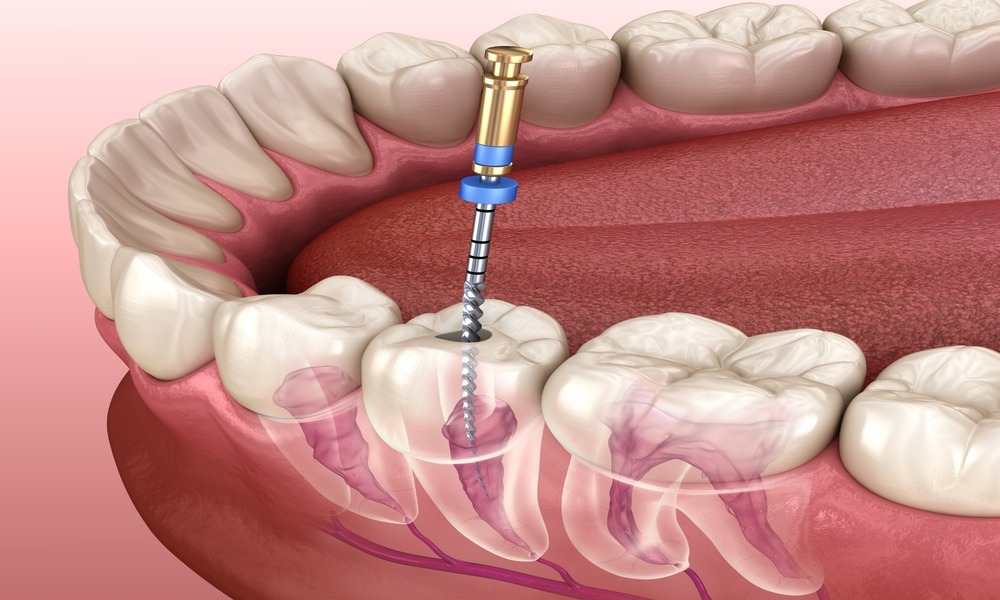
Mild discomfort for a few days after a root canal is completely normal. The procedure involves cleaning infected pulp, disinfecting the canals, and sealing the tooth, which can irritate surrounding tissues temporarily. However, if the pain persists, intensifies, or returns after a period of relief, it may indicate an underlying issue that needs attention.
Common Reasons Why Pain Returns After a Root Canal
1. Incomplete Removal of Infection
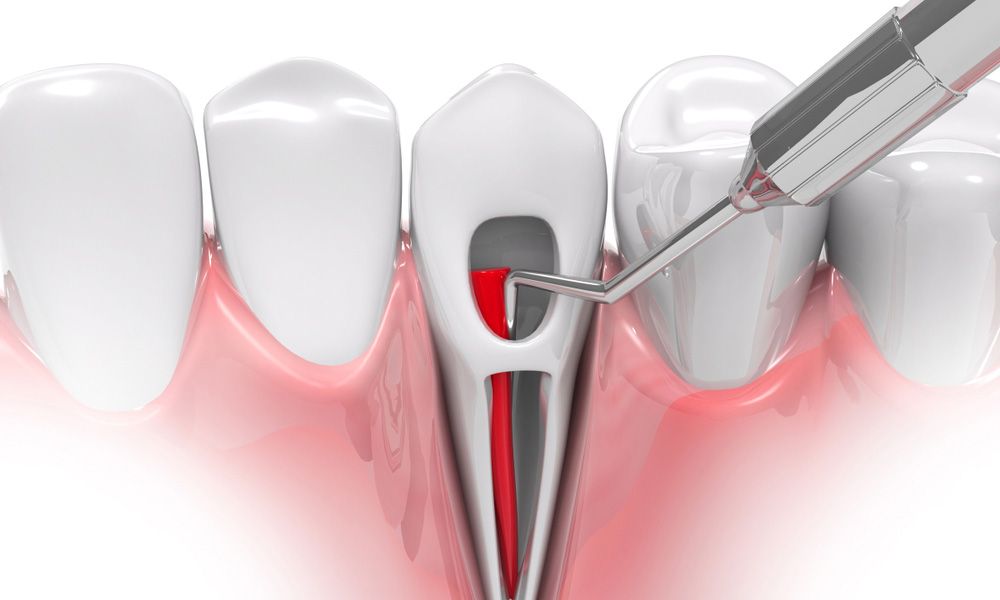
One of the primary reasons for recurring pain is that the infection was not completely eliminated during the initial treatment. Root canal systems can be highly complex, with tiny branches that may be difficult to detect. If bacteria remain in these hidden canals, they can multiply over time and cause reinfection.
2. Delayed Placement of Crown
After a root canal, a crown is usually placed to protect the treated tooth. If this step is delayed, the tooth becomes vulnerable to fractures or bacterial entry. Even a small crack can allow bacteria to re-enter the canal system, leading to pain and infection.
3. Cracked or Damaged Tooth
A treated tooth can become brittle over time. If the tooth develops cracks or fractures, it may expose inner structures to bacteria. These cracks are sometimes microscopic and difficult to detect, but they can still cause significant discomfort.
4. New Decay Around the Treated Tooth
Even after a root canal, the tooth is not immune to decay. Poor oral hygiene or dietary habits can lead to new cavities forming around the filling or crown. This decay can reach the inner layers and cause pain similar to the original issue.
5. Inflammation of Surrounding Tissues
The tissues around the tooth, including ligaments and bone, can become inflamed due to the procedure or lingering infection. This inflammation may cause pain when chewing or applying pressure.
6. Overfilled or Underfilled Canals
If the root canal filling extends beyond the root tip, it can irritate surrounding tissues. On the other hand, if the canals are not filled completely, bacteria may remain inside. Both situations can lead to persistent or recurring pain.
7. Missed Canals
Some teeth have more canals than expected. If one of these canals is missed during treatment, it can continue to harbor bacteria, leading to infection and pain later on.
8. Bite Misalignment After Treatment
After the procedure, if the tooth’s height is slightly altered, it can affect how your teeth come together when you bite. This uneven pressure can cause pain, especially while chewing.
9. Recontamination Due to Poor Sealing
If the temporary or permanent filling is not properly sealed, saliva and bacteria can seep into the canal system. This contamination can restart the infection process.
Symptoms That Indicate a Problem
It is important to recognize when post-root canal pain is not normal. Warning signs include persistent throbbing pain, swelling in the gums, sensitivity to pressure, a pimple-like bump on the gums, or a bad taste in the mouth. These symptoms often point to reinfection or complications.

How Dentists Diagnose the Cause
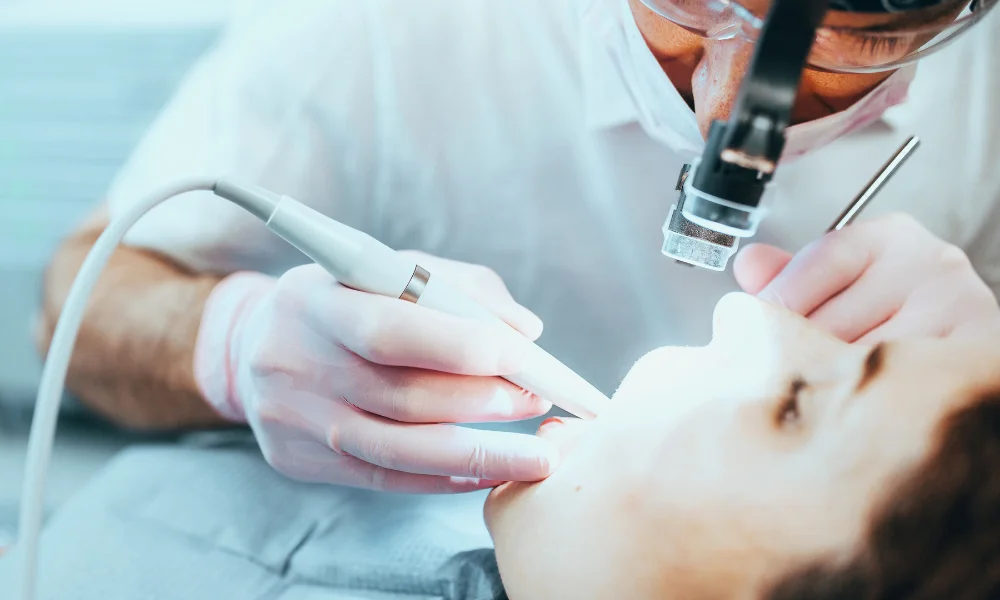
Dentists use clinical examination and imaging techniques like digital X-rays or 3D scans to identify the exact cause of pain. These tools help detect missed canals, infections, fractures, or improper fillings. Accurate diagnosis is crucial to determine the right treatment approach.
Treatment Options for Recurring Pain
Root Canal Retreatment
In many cases, the tooth can be reopened, cleaned again, and properly sealed. This process addresses any missed infection or incomplete treatment from the first procedure.
Apicoectomy
If retreatment is not effective, a minor surgical procedure called an apicoectomy may be performed. This involves removing the tip of the root and sealing the area to prevent further infection.
Crown Replacement
If the crown is damaged or poorly fitted, replacing it can restore protection and eliminate the source of bacterial entry.
Tooth Extraction
In severe cases where the tooth cannot be saved, extraction may be necessary. The missing tooth can then be replaced with an implant or bridge to maintain function and aesthetics.
How to Prevent Pain After a Root Canal
Preventing complications after a root canal requires a combination of proper dental care and timely follow-ups. Always complete the treatment process by getting a crown if recommended. Maintain good oral hygiene by brushing twice daily and flossing regularly. Avoid chewing hard foods on the treated tooth until it is fully restored. Regular dental checkups help detect any issues early before they become serious.
When Should You Visit a Dentist?
If you experience pain that lasts more than a few days, worsens over time, or returns after months or years, it is important to consult your dentist immediately. Early intervention can save the tooth and prevent more complex procedures.
Final Thoughts
While root canal treatment has a high success rate, it is not completely immune to complications. Pain returning after the procedure is often a sign that something needs attention, whether it is a hidden infection, structural damage, or restoration issue. Understanding the causes and acting quickly can make a significant difference in preserving your oral health. With proper care, timely treatment, and regular dental visits, most issues can be effectively managed, ensuring long-term relief and a healthy smile.